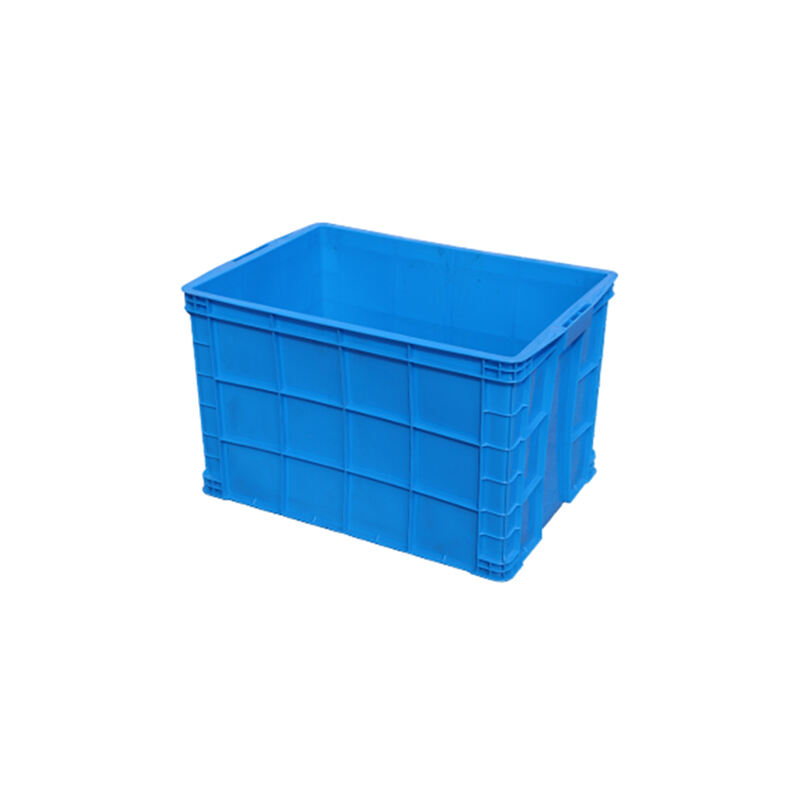
Polypropylene (PP) is increasingly used in plastic logistics boxes due to its lightweight and strong properties, making it an ideal choice for transportation. Recent advancements in PP composites have introduced features like enhanced resistance to chemicals and UV rays, which ensure longer-lasting durability and reliability in various environmental conditions. By incorporating these advancements, logistics operations can benefit from reduced weight, leading to lower transportation costs and improved fuel efficiency. Industry case studies, such as those in automotive and electronics logistics, have highlighted these benefits, showcasing the transformative impact of polypropylene composites in demanding supply chain applications.
Modular design principles play a crucial role in maximizing space in transport and storage for plastic logistics boxes. The focus on stackable designs not only improves warehouse organization but also leads to a notable reduction in shipping costs. When logistics boxes are designed to stack efficiently, they enable the optimal use of vertical space, which is a significant advantage for warehouses looking to optimize their storage capabilities. Industry data from logistics optimization firms demonstrate that implementing modular stackable designs can achieve space savings of up to 30%, aligning with global trends in logistics.
Recent innovations have enabled the creation of plastic logistics boxes that are both lightweight and highly durable. Material technology advancements, such as the integration of reinforced polymers, have contributed to this dual benefit. Lightweight boxes are particularly advantageous in industries like e-commerce and food distribution, where reduced load weight results in better fuel efficiency and lower carbon emissions. Experts in logistics solutions emphasize the critical importance of weight reduction, noting that even a 10% decrease in transport weight can translate into significant cost savings and enhanced operational efficiencies in delivery services.
Closed-loop recycling is revolutionizing the sustainability of plastic pallets by significantly reducing waste. In this system, plastic materials are continuously reused and recycled, transforming them from used containers back into new products. This cycle not only minimizes raw material extraction but also offers tremendous lifecycle benefits. For instance, the logistics industry has embraced this approach, leading to impressive recycling rates; companies operating closed-loop systems often see a significant decline in plastic waste. The integration of such systems tends to inspire other industries to adopt sustainable practices, setting a benchmark for environmental responsibility.
Reusable plastic containers are pivotal in slashing carbon emissions, offering an eco-friendly alternative to disposable packaging. These containers not only reduce carbon footprint but also provide long-term cost benefits. Through reusability, companies are witnessing tangible savings and ecological improvements. Case studies from various industries showcase the effectiveness of reusable systems. For example, companies incorporating these sustainable practices report reduced packaging costs along with enhanced environmental impact, proving that reusable containers are both economically beneficial and environmentally sound.
The alignment of plastic logistics containers with EU’s eco-friendly production standards highlights a move towards increased sustainability. These regulations set strict criteria that manufacturers must adhere to, promoting sustainable production processes. Compliance with these standards increases market access and meets consumer demand for greener products. Industry reports indicate that adopting these eco-friendly guidelines has resulted in noticeable sustainability improvements. By embracing such standards, companies not only enhance marketability but also contribute to global environmental conservation efforts, appealing to a consciously green market segment.
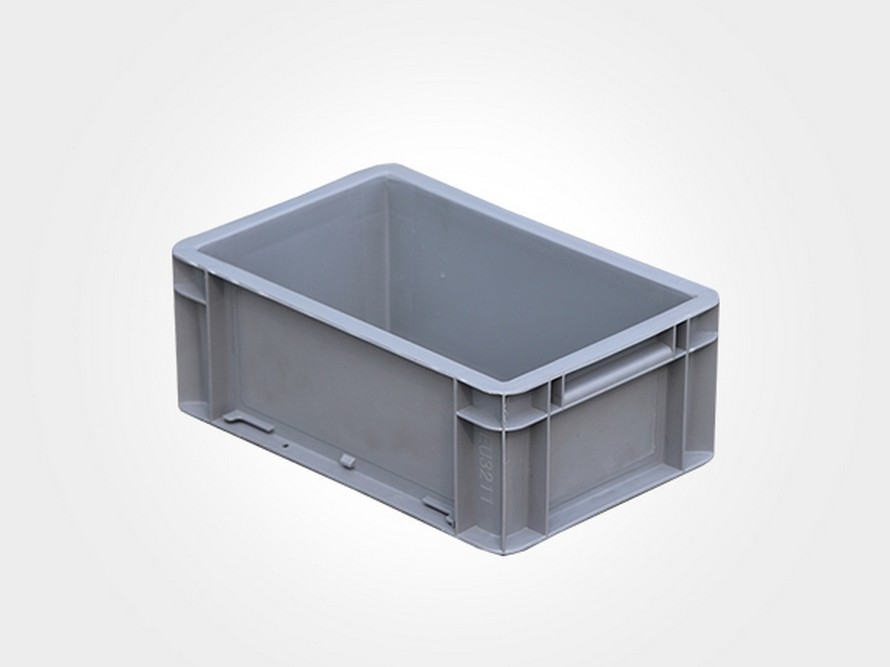
The EU2311 compact logistics box is a top choice for efficiency in the logistics sector. Key features include its lightweight construction and durable polypropylene material, making it perfect for various shipping needs. It has garnered positive feedback from clients for its flexibility and strength in handling. Versatile and efficient, this box has proven successful across different sectors, thanks to its ease of use and reliability. For more details, check out the [EU2311 Logistics Box](https://www.lkznplastic.com/eu2311-logistics-box).
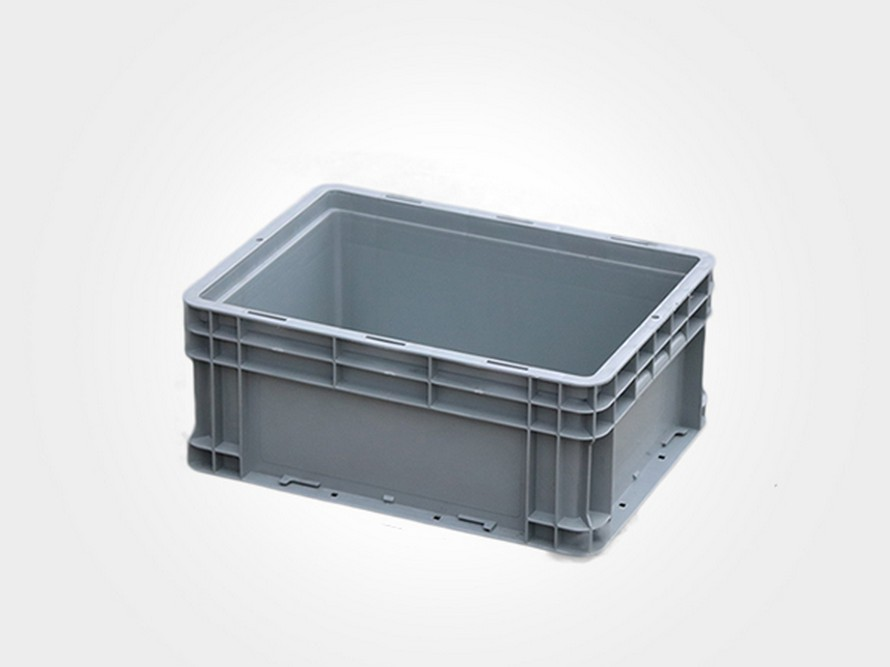
Designed for demanding operations, the EU4316 heavy-duty transport container boasts exceptional material durability and load capacity. Its robust construction ensures safe and efficient transport across a variety of industries. According to users, it consistently delivers reliable performance under challenging conditions. To explore this container's suitability for your needs, refer to the [EU4316 Logistics Box](https://www.lkznplastic.com/eu4316-logistics-box).
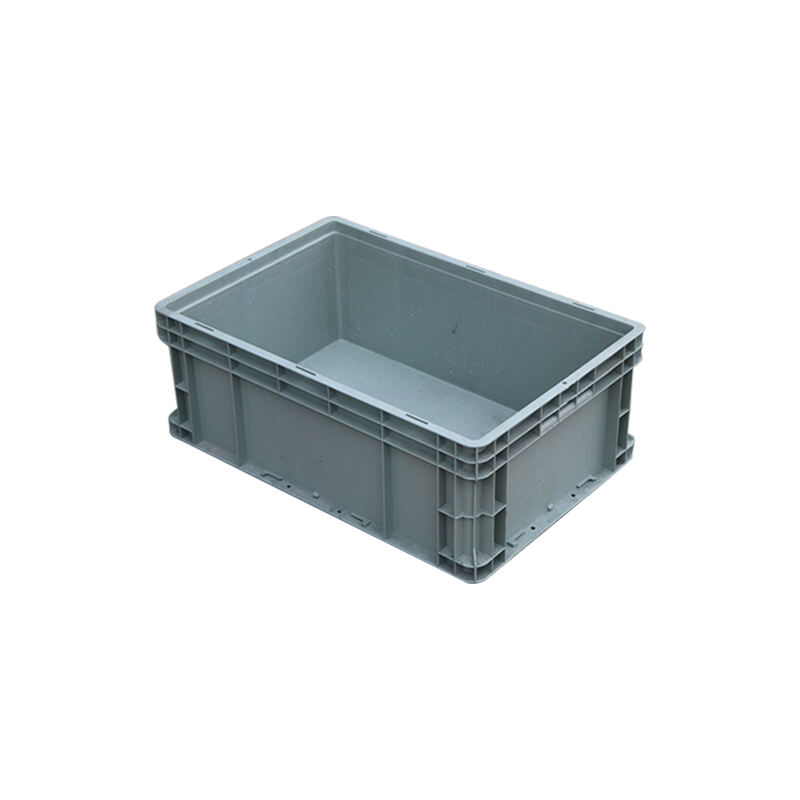
Customization is pivotal in logistics, and the EU4622 shipping box exemplifies this with its adaptable design. The ability to tailor dimensions to specific needs maximizes efficiency. Its nesting feature optimizes space during storage and transport, leading to significant cost savings. This adaptability is beneficial in diverse shipping scenarios. Discover more about this box at [EU4622 Plastic Logistics Box](https://www.lkznplastic.com/eu4622-plastic-logistics-box).
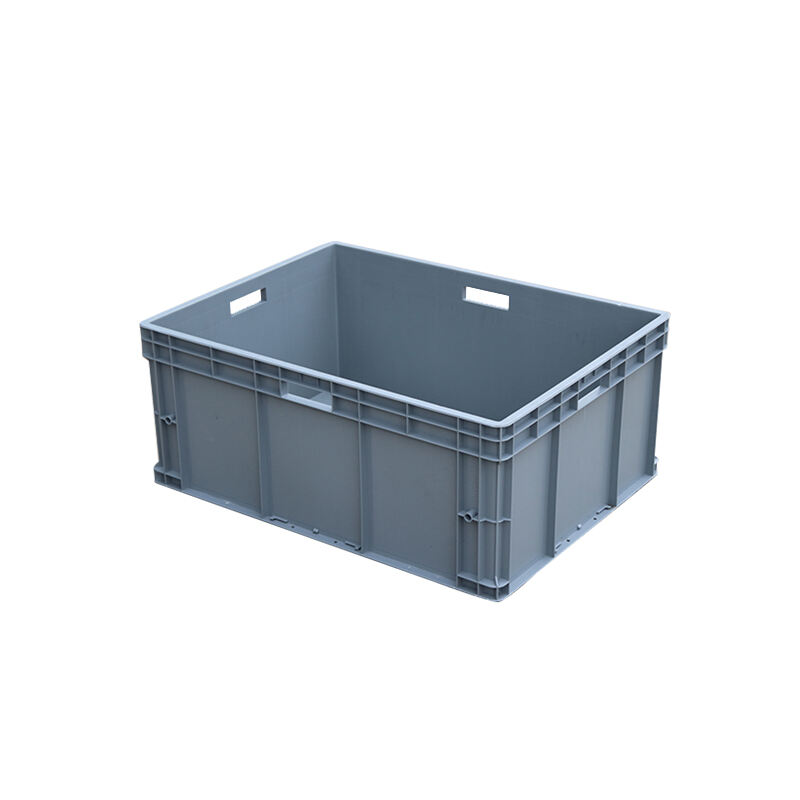
The EU8633 crate excels in industrial settings, owing to its rugged durability. Industries utilize this reusable crate to achieve operational efficiencies by reducing waste and improving logistical operations. Its robust design withstands the demands of tough environments while delivering consistent service. Learn about its industrial applications by visiting the [EU8633 Plastic Logistics Box](https://www.lkznplastic.com/eu8633-plastic-logistics-box).
Perfect for agricultural logistics, the 755 HDPE turnover box is renowned for its superior durability and smart stacking capabilities. These features not only optimize storage but also enhance transport efficiency in the agricultural sector. Its design ensures ease of use while maintaining structural integrity under heavy loads. For a deep dive into how it boosts agricultural logistics, visit the [755 Economic HDPE Turnover Box](https://www.lkznplastic.com/755-economic-hdpe-turnover-warehouse-agricultural-plastic-moving-box).
RFID technology has revolutionized inventory management in logistics, providing an efficient means of tracking plastic shipping boxes. RFID systems utilize radio frequency signals to automatically identify and capture information about tagged objects, making inventory processes more accurate and less labor-intensive. Integrating RFID improves efficiency by reducing human error and providing real-time inventory data. Case studies show RFID's success in industries such as automotive logistics, where it helps streamline operations and enhance reliability.
In pharmaceutical logistics, maintaining optimal temperature conditions is crucial to preserving the integrity of sensitive drugs. Modern temperature-regulated containers, designed specifically for pharma logistics, offer cutting-edge solutions by incorporating technologies such as phase change materials and vacuum insulation panels. These containers ensure that temperature-sensitive products are transported safely, mitigating risks associated with temperature fluctuations. The incorporation of these technologies has led to significant improvements in shipment reliability and has bolstered efficiency in the pharmaceutical logistics sector.
The utilization of IoT technologies in monitoring shipment conditions has transformed how we oversee the logistics process. IoT-integrated sensors in plastic shipping boxes actively track and report data on potential damage during transit, providing valuable insights for supply chain management. Through real-time monitoring, logistics professionals can promptly address issues, minimizing losses and enhancing operational efficiency. Data analytics gleaned from IoT sensors enable proactive decision-making and strategic planning, ensuring that shipments arrive in optimal condition and maintaining the highest standards of supply chain resilience.
The logistics industry is witnessing a significant shift towards incorporating bio-based polymers as part of the circular economy initiative. Bio-based polymers are derived from renewable sources, making them a sustainable alternative to traditional petroleum-based plastics. Their adoption in logistics is driven by the growing demand for reducing carbon footprints and minimizing environmental impact. By integrating bio-based materials into existing systems, companies can enjoy environmental benefits while promoting sustainability. However, challenges such as transitioning logistics operations and gaining widespread acceptance remain. As more industries recognize the environmental and economic advantages, the adoption of bio-based polymers is expected to grow significantly in the coming years.
AI technologies are revolutionizing logistics operations by transforming container load planning processes. With AI, companies can optimize the loading of plastic logistics baskets to maximize space utilization and minimize transportation costs. AI algorithms analyze various data points such as shipment dimensions, weight, and delivery routes to determine the most efficient way to organize and load containers. This results in substantial efficiency improvements and cost savings, as evidenced by numerous case studies across different industries. By implementing AI-driven solutions, logistics companies can enhance their performance and gain a competitive edge, all while maintaining a sustainable approach.
Self-healing materials are emerging as a promising innovation in the field of logistics technology, particularly in plastic logistics baskets. These materials have the unique ability to repair themselves when damaged, significantly increasing the durability and lifespan of logistics boxes. The introduction of self-healing materials into logistics operations can reduce the need for frequent replacements, decrease maintenance costs, and improve overall efficiency. Advances in this technology are expected to further enhance the resilience of plastic shipping boxes, leading to more reliable supply chains. As research continues, the logistics industry can anticipate broader applications and benefits from self-healing technologies.

 EN
EN
 AR
AR DA
DA NL
NL FI
FI FR
FR DE
DE IT
IT JA
JA KO
KO NO
NO PL
PL PT
PT RO
RO RU
RU ES
ES SV
SV TL
TL ID
ID SR
SR SK
SK VI
VI TH
TH TR
TR FA
FA MS
MS GA
GA CY
CY IS
IS HY
HY AZ
AZ KA
KA BN
BN MI
MI MN
MN NE
NE KK
KK UZ
UZ KY
KY