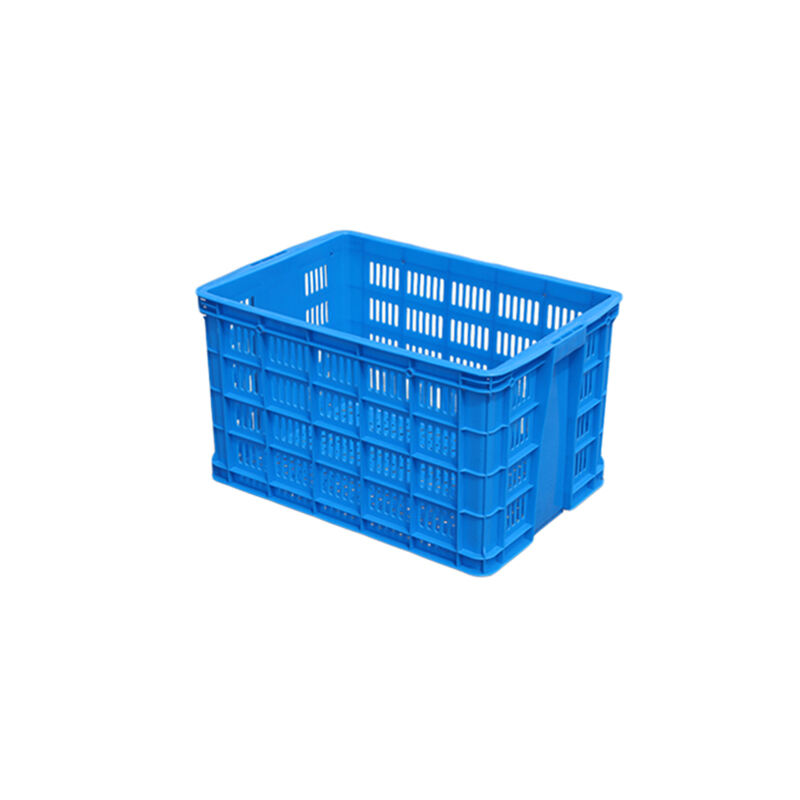
Plastic turnover boxes are revolutionizing inventory management processes by offering solutions that enhance accuracy and reduce errors. For instance, they support barcoding and RFID tagging, which facilitates efficient inventory tracking. This technological integration minimizes mistakes in inventory data, thereby sustaining operational integrity. Additionally, these boxes enable innovative stacking strategies, leading to better organization and reduced retrieval times. Efficient stacking translates to easy access to goods, thereby optimizing the warehouse space and enhancing operational workflows. Moreover, adopting plastic turnover boxes fosters standardized storage practices, making it simpler to train new staff members. Standardization ensures consistency in inventory management, thus maintaining operational coherence and efficiency.
Switching to plastic turnover boxes can significantly reduce handling time, with industry studies citing reductions as much as 25%. Such time savings directly translate into decreased labor costs, offering substantial financial benefits in operations. The lightweight design of plastic boxes alleviates physical strain on employees, thereby decreasing the occurrence of workplace injuries and related health costs. This ergonomic advantage ensures a safer working environment. Furthermore, the efficient design of these turnover boxes facilitates quick loading and unloading processes. This efficiency ensures that operations remain streamlined and productivity maximized, setting a standard for modern warehousing solutions.## Space Optimization Through Modular Container Design
Stackable plastic container systems offer a significant advantage in maximizing vertical space within warehouses, enabling businesses to boost storage capacity without needing additional space. By implementing these systems, companies can efficiently manage their inventory, particularly when dealing with large volumes of plastic containers or plastic trays. The modular design of stackable containers facilitates easy disassembly when not in use, contributing to flexibility and space savings. A further benefit of these systems is the enhanced safety in the workplace. Proper stacking and handling of plastic containers minimize the risk of tipping and falling, ensuring safer operations for all employees. This not only optimizes the use of space but also creates a more secure environment that is crucial in large-scale storage facilities.
Nestable plastic containers are an excellent solution for compact storage, particularly when dealing with seasonal inventory. According to manufacturer specs, these containers save up to 70% of storage space when emptied and stacked together, offering substantial space efficiency benefits. This nestable design is not only ideal for storage but also significantly enhances transportation logistics. By allowing more units to fit into transportation containers, businesses can save on shipping costs and improve logistic operations. The lightweight nature of nestable containers further simplifies handling, providing easier movement during inventory turnover and implementation. This attribute is particularly beneficial for industries reliant on quick and efficient stock transfers, such as plastic container manufacturing and wholesale sectors.## Durable & Sustainable Material Advantages
When it comes to durability in plastic containers, Polypropylene (PP) and High-Density Polyethylene (HDPE) stand out due to their robust properties. These materials are renowned for their exceptional resistance to impacts, chemicals, and moisture, making them ideal for demanding environments such as warehouses. Unlike traditional cardboard or metal alternatives, containers made from PP and HDPE offer significantly longer lifespans. This durability translates into reduced replacement costs over time, offering businesses a more economical choice in maintaining their storage solutions. Furthermore, the robust nature of these materials allows them to endure extreme temperatures ranging from -40 to 120 degrees Celsius, showcasing their versatility across various industries.
In sustainable warehousing, plastic turnover boxes present an eco-friendly option due to their recyclable nature. By being crafted from materials that can be reprocessed into new goods, these boxes effectively contribute to reducing the carbon footprint inherent in warehousing operations. This ability to be recycled promotes a circular economy, minimizing waste and supporting environmentally-conscious practices. Aligning with corporate sustainability objectives has become increasingly crucial as both consumers and investors place higher value on eco-friendly initiatives. By adopting these recyclable solutions, companies can enhance their green credentials and meet sustainability mandates demanded by the market today.## Top Plastic Turnover Box Solutions for Modern Warehouses
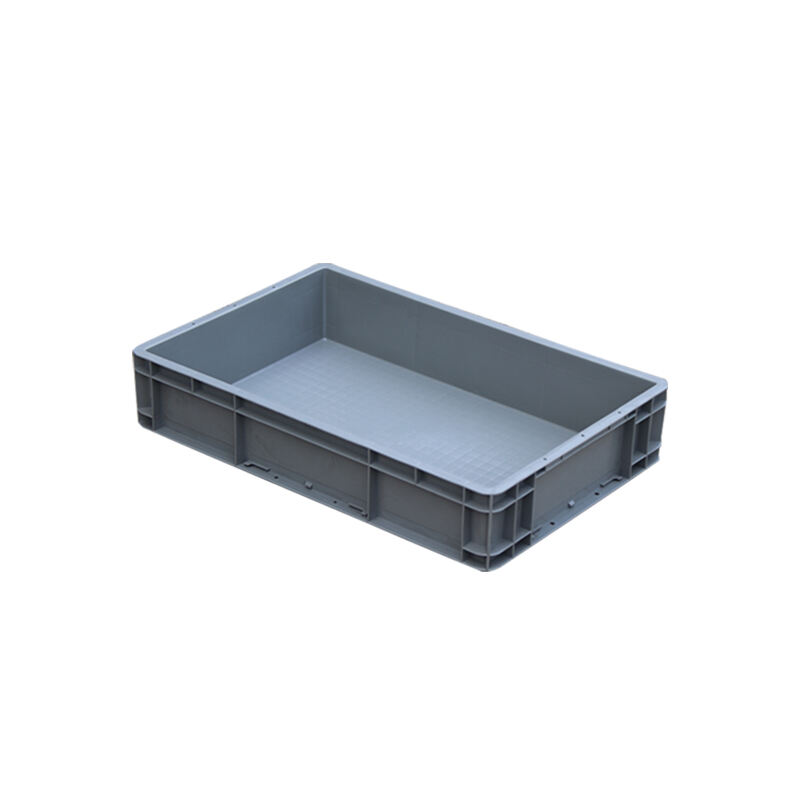
The EU4611 is designed for heavy-duty applications, making it ideal for industrial use. This high-capacity box can handle substantial weights, ensuring reliability for intense logistical demands. Its ergonomic design facilitates easier handling, with molded-in handles that enhance grip for efficient transport. Moreover, the EU4611 is compatible with numerous logistical systems, which enhances overall supply chain efficiency. Built to optimize both storage and transportation processes, the EU4611 is a must-have for any modern warehouse committed to performance and durability.
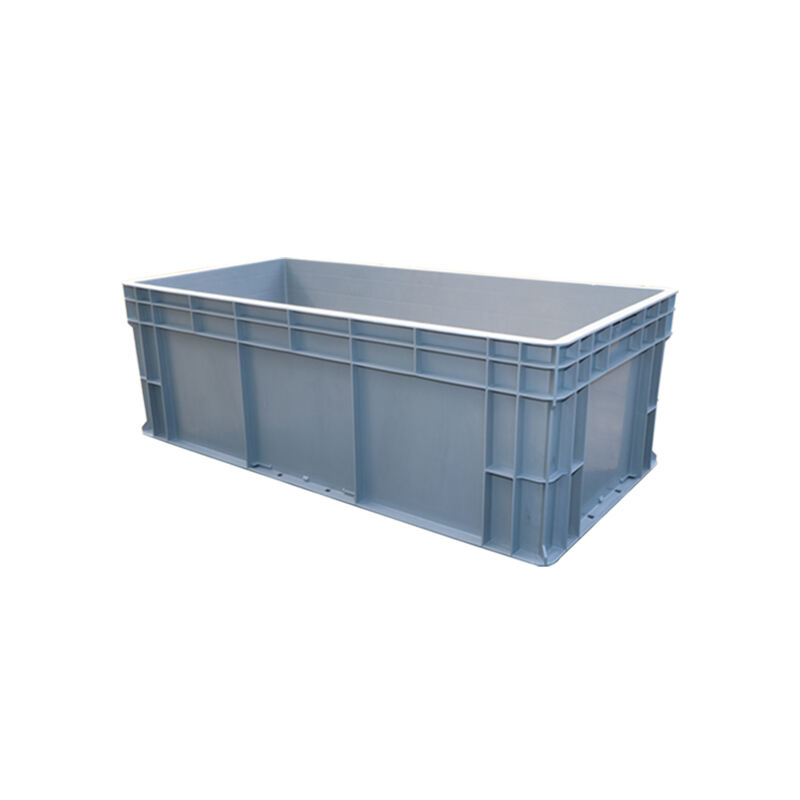
The EU4828 container features a stackable design aimed at achieving optimal space savings without compromising structural integrity. Boasting high impact resistance, it can endure rigorous handling, making it suitable for diverse warehouse needs. Whether it's for automotive parts or food items, the EU4828 accommodates a wide variety of products, enhancing flexibility and adaptability in modern logistics operations. Its heavy-duty build is crafted to support efficient storage solutions and streamline supply chain management.
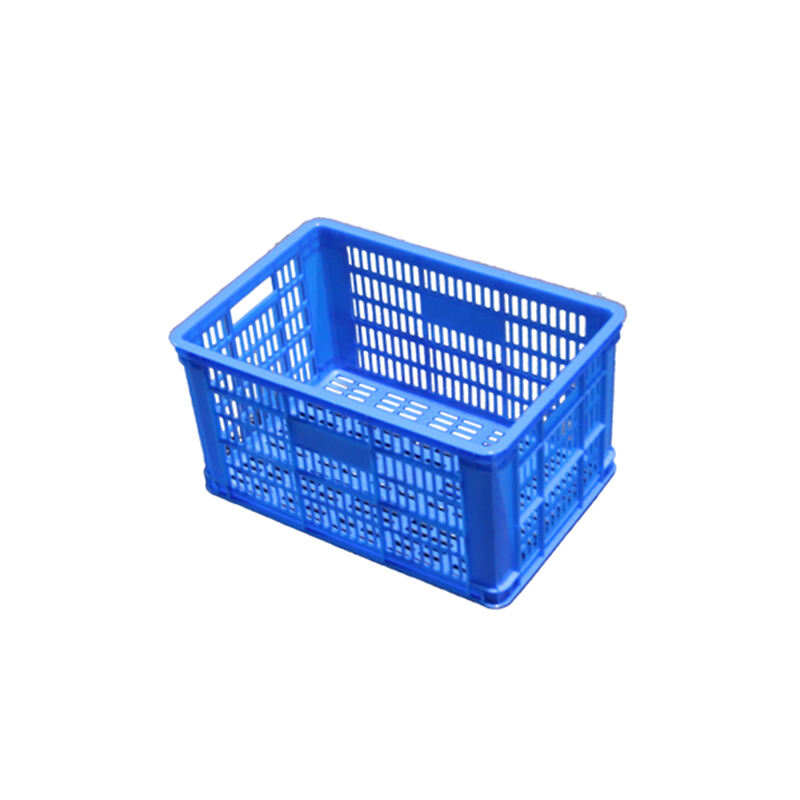
Constructed from durable HDPE, the LK420 turnover basket excels in outdoor uses where weather resistance is key. Featuring large openings for airflow, it's particularly advantageous for perishable goods, ensuring effective agriculture and food storage. Despite its lightweight design, the LK420 does not compromise on sturdiness, providing reliability and longevity for demanding applications. As warehouse management faces the challenge of balancing weight and strength, the LK420 basket stands out as a versatile solution.
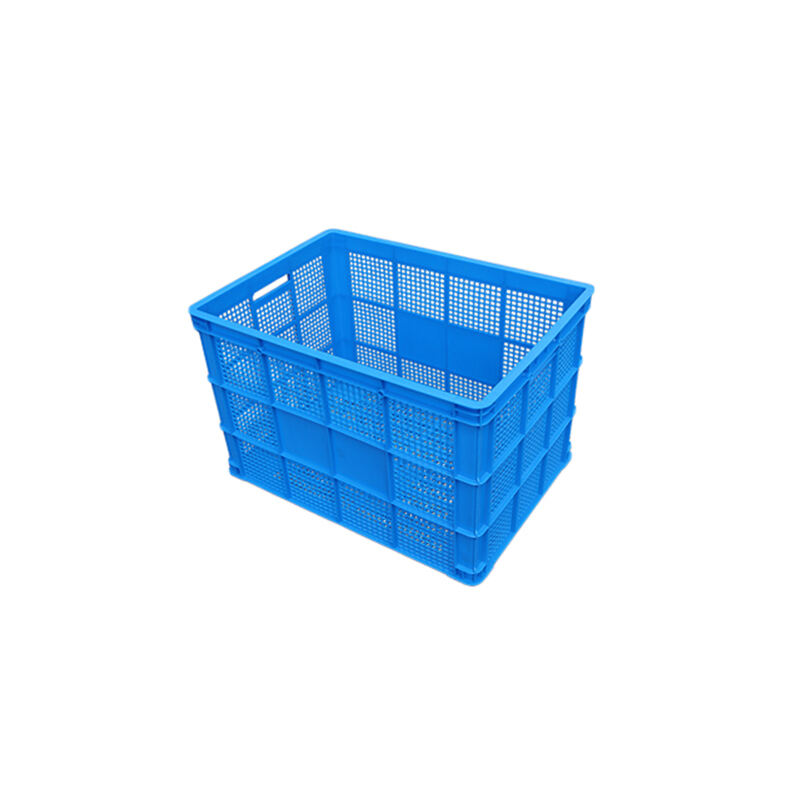
The LK755 crate incorporates a ventilation design that ensures excellent airflow, which prolongs the freshness of produce and reduces waste. Engineered specifically for agricultural use, it meets health regulations essential for safe food storage. With its stackable feature, this crate maximizes efficiency in storage solutions, making it indispensable for industries focused on produce. For warehouses targeting sustainability and compliance, the LK755 offers both functionality and reliability.
LK700 crates, built with extra-thick walls, offer exceptional durability for high-stress environments, making them suitable for a range of applications from manufacturing to logistics. These crates can endure heavy loads, which ensures effective storage and transportation in challenging conditions. Their design facilitates easy cleaning and maintenance, which is invaluable for long-term use. The LK700 sets the standard in industrial crates, combining robustness with practical ease for sustained logistical performance.

 EN
EN
 AR
AR DA
DA NL
NL FI
FI FR
FR DE
DE IT
IT JA
JA KO
KO NO
NO PL
PL PT
PT RO
RO RU
RU ES
ES SV
SV TL
TL ID
ID SR
SR SK
SK VI
VI TH
TH TR
TR FA
FA MS
MS GA
GA CY
CY IS
IS HY
HY AZ
AZ KA
KA BN
BN MI
MI MN
MN NE
NE KK
KK UZ
UZ KY
KY