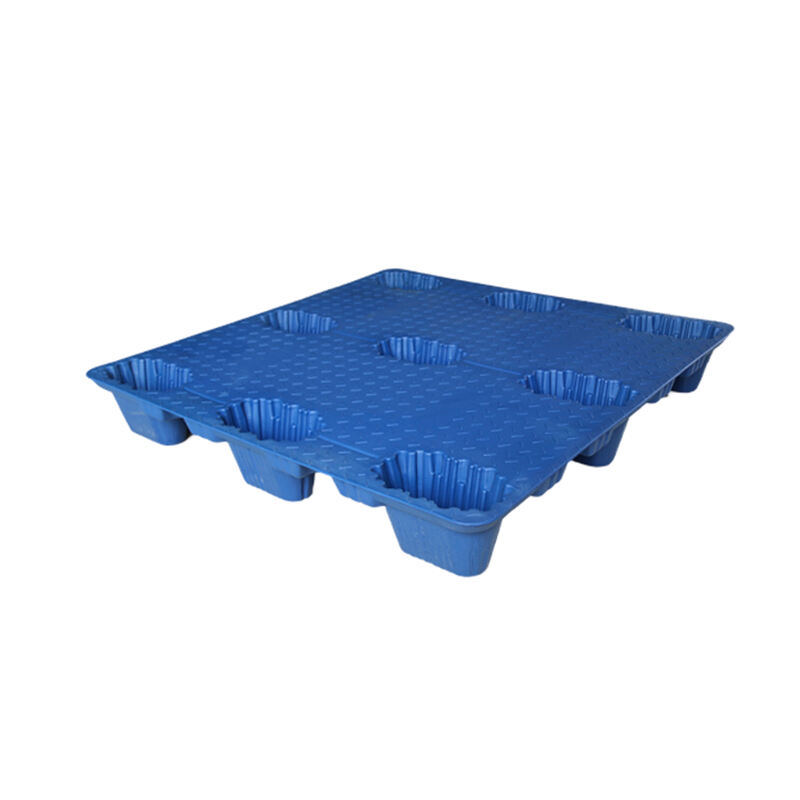
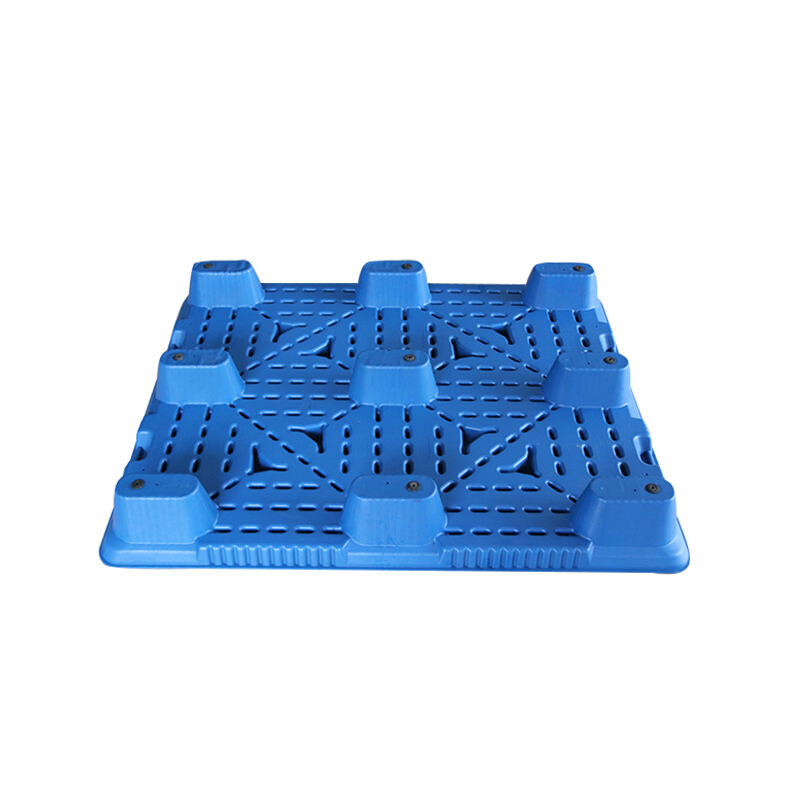
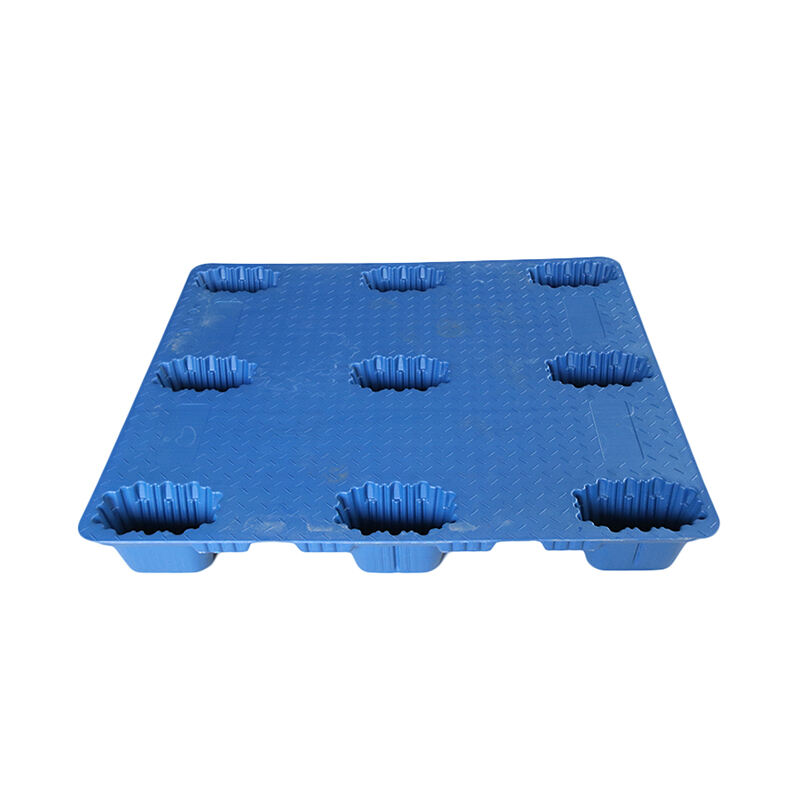
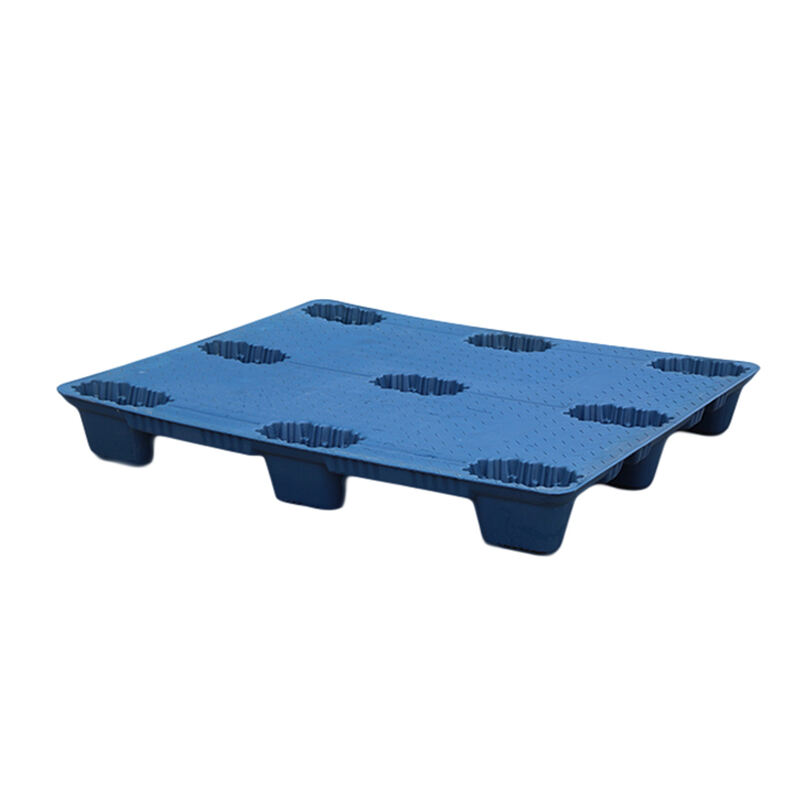
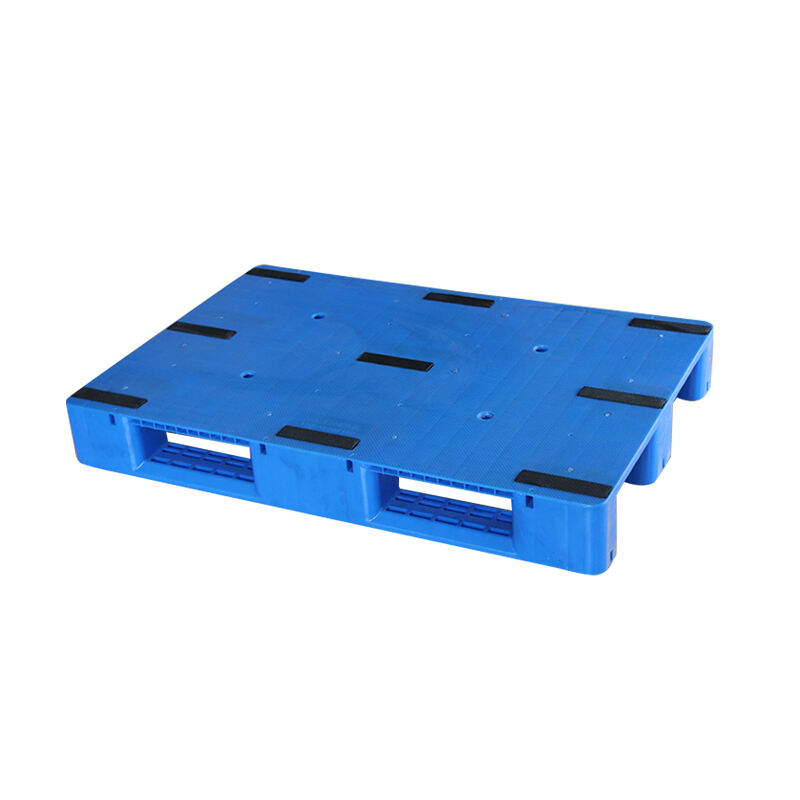
Initially, plastic pallets were simple and basic, offering limited use and versatility. Their designs primarily focused on substituting wood pallets without much innovation in structure or materials. However, as the demand for more efficient logistics and storage solutions grew, technological advancements revolutionized how plastic pallets were designed and manufactured. This led to the emergence of more complex structures, including the innovative nine-legged design. This design notably enhances support and optimizes weight distribution, accommodating heavier loads with improved stability.
Technological improvements have profoundly impacted the load capacity of plastic pallets. The shift from basic to more sophisticated designs resulted in substantial increases in load-bearing capabilities. According to industry reports, modern plastic pallets can now support significantly heavier loads, reflecting a trend towards more robust and efficient pallet solutions. As the market gravitates towards these innovations, businesses are increasingly adopting advanced plastic pallets, such as those with nine-legged engineering, to enhance operational efficiency and reduce costs in their supply chains.
Transitioning to new design concepts like the nine-legged plastic pallets signifies a broader industry move towards sustainability and optimization. By improving load capacity and structural design, these pallets reduce the environmental impact of packaging and transportation, along with demonstrating the potential for further innovation in material science and logistics. Embracing these advances, companies not only address current logistical challenges but also contribute to a more sustainable future in materials handling.
Modern plastic pallets are engineered to handle higher load capacities compared to their traditional counterparts. This advancement in design allows plastic pallets to support heavier weights, often exceeding those traditionally supported by wooden pallets. For example, while a typical wooden pallet might support a maximum of around 1,500 kg, certain plastic pallets can now handle upwards of 2,500 kg. This improvement directly impacts supply chain efficiency by ensuring safer transportation and storage of goods. Stable pallets minimize the risk of accidents, promoting a safer environment for workers. In addition, logistics companies benefit from these enhanced features, reducing incidences of product damage during transit and ultimately improving overall logistics efficiency.
Ergonomic advancements have revolutionized how plastic pallets are handled and transported. Today's plastic pallets often feature ergonomic designs that facilitate easier manual handling, reducing strain on workers and expediting the loading and unloading process. Additionally, cutting-edge design features like stackability and nesting capabilities significantly contribute to space-saving. For instance, nestable pallets can be stacked in a manner that allows up to 50% more pallets to be loaded onto transport vehicles, maximizing transport capacity and reducing costs. The ability to optimize space not only enhances logistics operations but also decreases the need for excessive storage space, proving beneficial in warehouse management. This translates to greater efficiency and reduced operational costs, highlighting the multifaceted value of modern plastic pallet designs in contemporary supply chains.
Plastic pallets have significantly transformed warehouse logistics, enhancing efficiency with faster handling times and minimized damage to goods. Compared to traditional wooden pallets, plastic versions offer consistent dimensions and greater durability, reducing the risk of damage during transit. For instance, a case study showed that a major retailer managed to achieve a 25% reduction in handling time by switching to plastic pallets. This transition not only minimized product damages but also led to substantial cost savings, underscoring the financial benefits of adopting plastic pallets in retail and warehouse settings.
In industries like food and pharmaceuticals, hygiene is paramount, and plastic pallets provide a pivotal advantage due to their non-porous surfaces. Unlike wooden pallets that can absorb moisture and harbor bacteria, plastic pallets offer a seamless surface that resists contaminants. This characteristic is crucial in maintaining the integrity of food and pharma products during storage and distribution. Reports indicate that contamination rates are significantly lowered when plastic pallets are employed, with companies in these sectors observing improved sanitary conditions and compliance with stringent health regulations.
The adoption of recyclable materials in manufacturing plastic pallets is a significant step forward in sustainability. By using recycled plastics, manufacturers are able to reduce the environmental impact associated with conventional pallet production, minimizing both waste and carbon emissions. Plastic pallets crafted from recycled materials are not only robust and long-lasting but also afford a greener alternative to traditional wooden pallets, which contribute to deforestation and environmental degradation. These eco-friendly pallets resist moisture and pests, making them ideal for various logistic applications.
Moreover, the incorporation of circular economy principles is redefining plastic pallet manufacturing. This model emphasizes reuse, repair, and recycling, ensuring that pallets remain in circulation longer and reducing the need for new resources. The circular economy encourages businesses to rethink how they manage logistics, focusing on sustainable practices that are beneficial for both the environment and their bottom line. By embracing this framework, the industry is moving towards more efficient, sustainable solutions that prioritize environmental responsibility. Such practices create opportunities for innovation and collaboration among supply chain stakeholders, paving the way for a more sustainable and resilient future in pallet manufacturing.
The LK1111 Nine Legs Plastic Pallet is crafted for unparalleled heavy-duty stability. Its unique nine-legged architecture ensures uniform load distribution, making it ideal for demanding industrial environments. This pallet excels in heavy load management, providing reliable support across multiple applications. Real-world usage highlights its performance in industries needing robust materials handling solutions.
The LK1210 Nine Legs Plastic Pallet stands out as a versatile logistics workhorse. Its design is tailored to meet diverse needs across various sectors, offering ergonomic features that enhance operational efficiency. Users from different industries attest to the pallet's flexibility, citing improved workflow and cost efficiency as major benefits.
The LK1211 Nine Legs Plastic Pallet harmoniously blends lightweight design with impressive durability. This pallet facilitates easy transport and handling while maintaining the ruggedness required for industrial applications. Its balance of weight and strength ensures that operational processes remain uninterrupted and efficient.
Designed for efficient space utilization, the LK1311 Nine Legs Plastic Pallet offers a nestable design that optimizes storage. This feature significantly enhances storage capacity in warehouses, saving valuable space. Quantitative analysis shows considerable space savings, proving its efficiency and practicality in dense storage scenarios.
The LK1208 Three Runners Flat Plastic Pallet is engineered with a hygienic flat design, suited for sensitive industries such as food processing. Its smooth surface allows for easy cleaning, ensuring sanitary conditions. The pallet's structure meets high hygiene standards, making it a reliable choice for environments where cleanliness is paramount.

 EN
EN
 AR
AR DA
DA NL
NL FI
FI FR
FR DE
DE IT
IT JA
JA KO
KO NO
NO PL
PL PT
PT RO
RO RU
RU ES
ES SV
SV TL
TL ID
ID SR
SR SK
SK VI
VI TH
TH TR
TR FA
FA MS
MS GA
GA CY
CY IS
IS HY
HY AZ
AZ KA
KA BN
BN MI
MI MN
MN NE
NE KK
KK UZ
UZ KY
KY