Plastic logistics boxes are renowned for their superior durability, outshining traditional packaging materials like cardboard. They provide remarkable resistance to impact, temperature fluctuations, and moisture, making them ideal for use in diverse and challenging environments. Studies indicate that some plastic materials used in logistics can last over ten years even with repeated use, highlighting their robustness. This enhanced durability reduces the frequency of replacement, leading to significant cost savings and decreased waste, thereby offering a sustainable edge over less durable counterparts.
The lightweight nature of plastic logistics boxes significantly reduces transportation costs. Shipping fees are often calculated based on weight, so switching to these lightweight solutions can decrease operational expenses. The ease of handling that comes with their design enhances operational efficiency in loading and unloading processes. Many companies have reported up to a 20% reduction in transportation costs after transitioning from traditional packaging to plastic alternatives, underscoring the financial benefits of adopting plastic logistics boxes.
Plastic logistics boxes offer unparalleled customization options, allowing businesses to tailor them to specific product dimensions. This customization maximizes space utilization and ensures the secure transport of goods, catering to a wide range of industrial applications. Manufacturers provide a variety of customizable features, including branding options and adjustable compartment sizes, enhancing client-specific demands and boosting brand visibility. Such flexibility supports numerous industries, from food and beverage to electronics, thereby broadening the application scope of plastic logistics boxes.
One of the critical features of high-performance plastic logistics solutions is their stackable design. This feature allows businesses to maximize warehouse space efficiently, ensuring optimal storage. When these logistics solutions include nesting capabilities, they provide an additional advantage by minimizing the volume of empty containers during return shipments. This reduction can significantly lower transportation costs for backhauls. Studies indicate that utilizing stackable logistics solutions can optimize storage capacity by up to 30%, showcasing the undeniable benefits of adopting such strategies.
Adhering to EU-compliant standards in plastic logistics boxes ensures seamless integration into international shipping processes. Meeting these standards not only facilitates smoother customs processes but also provides companies with protection from potential financial penalties associated with non-compliance, thereby enhancing their brand reputation. Businesses often find that compliance with regulatory requirements fosters increased trust from customers and accelerates market access due to consistent global standards.
The capability of having brand customization on plastic containers through logos and other branding elements is vital for enhancing visibility and marketing effectiveness. Furthermore, the adaptability to various sizes enables companies to utilize the most fitting container dimensions for their specific products, thus optimizing both transport and storage. This adaptability allows seamless modifications as product lines evolve, safeguarding the investment in logistics equipment while ensuring continuous operational efficiency.
Recyclable polypropylene materials are frequently used in plastic logistics boxes, providing an eco-friendly alternative to single-use packaging solutions. By utilizing these recyclable materials, industries can significantly cut down on landfill waste and promote responsible consumer habits. According to research, incorporating polypropylene recycling can drastically reduce the carbon footprint associated with production processes, making these materials a sustainable choice for logistics operations. This shift not only helps in environmental conservation but also aligns with the growing demand for sustainable practices in the logistics sector.
Reusable plastic logistics boxes significantly contribute to a circular economy by minimizing the requirement for raw materials, thereby preserving natural resources. An analysis suggests that companies leveraging reusable systems can reduce their carbon emissions by up to 50% compared to conventional packaging methods. This practice not only caters to the increasing consumer demand for sustainable options, but also strengthens corporate social responsibility initiatives. By adopting reusable packaging, businesses can ensure environmental sustainability while optimizing cost-efficiency in their logistics operations.
Plastic logistics containers play a pivotal role in the circular economy by facilitating a closed-loop system where materials are continually reused. This model enhances sustainability and simultaneously fosters economic growth through innovative supply chain management strategies. Supporting the circular economy has become a strategic priority for businesses, given the mounting pressure from regulators and consumers to embrace sustainable practices. By integrating such principles, companies can drive innovation, reduce waste, and build resilient logistical frameworks for future growth.
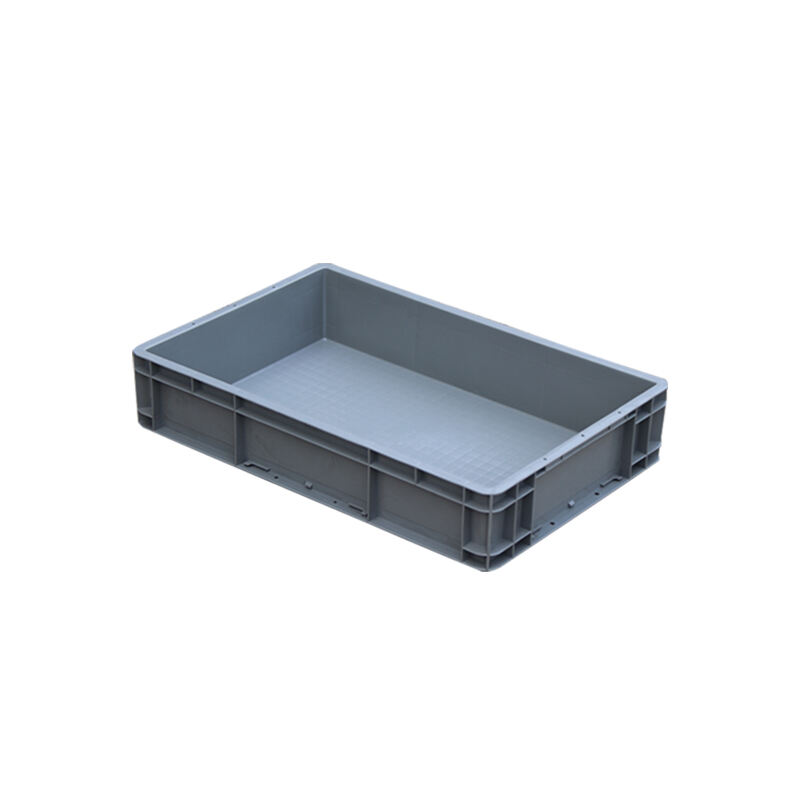
The EU4611 plastic logistics box is specifically engineered for heavy-duty transport, utilizing high-strength polypropylene material that endures even the most challenging conditions. This box showcases remarkable resilience, supporting substantial weights without compromising its structural integrity, which makes it perfect for industrial applications. Case studies have illustrated its reliability, highlighting its role in reducing damage during transit and ensuring product safety. For more details on the product, view the EU4611 plastic logistics box.
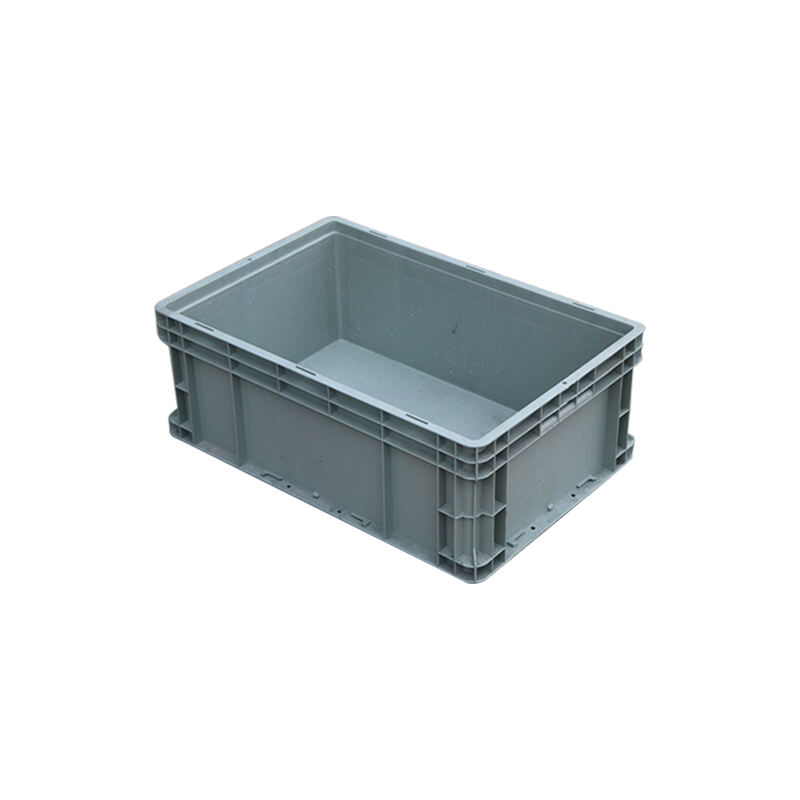
The EU4622 plastic logistics box offers a versatile design that meets the demands of diverse industries, including automotive, electronics, and pharmaceuticals. This model is highly appreciated for its customizable features, allowing clients to adapt the box to their unique needs, thereby enhancing user satisfaction. The flexibility of the EU4622 enables companies to streamline operations across various sectors, minimizing the necessity for multiple packaging solutions. Learn more about the EU4622 plastic logistics box.
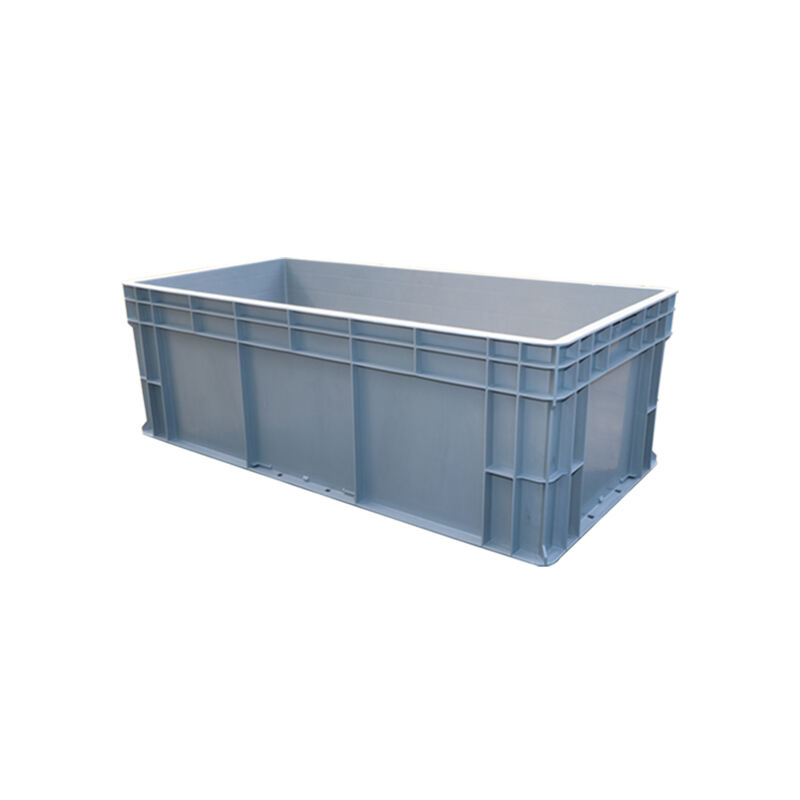
Designed with small to medium-sized enterprises (SMEs) in mind, the EU4828 plastic logistics box provides an economical turnover solution. Its competitive pricing and sturdy construction enable SMEs to compete effectively without facing hefty packaging expenses. Data indicates that businesses adopting this model often witness better inventory turnover rates, which facilitate improved cash flow management. Explore the EU4828 plastic logistics box for more information.
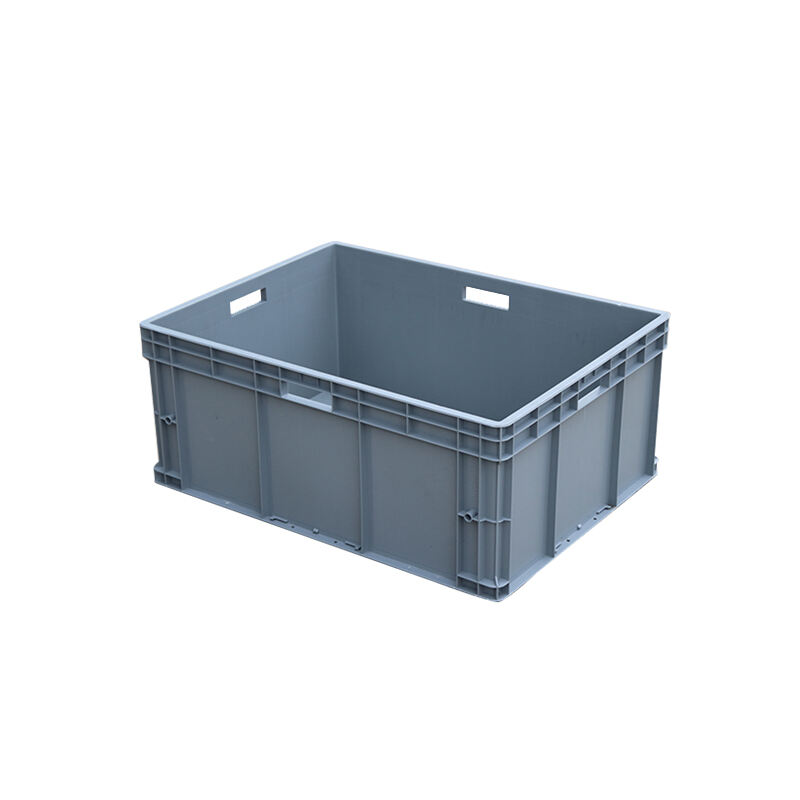
The EU8633 plastic logistics box stands out as an oversized container that offers remarkable load capacity, ideal for large-scale transport needs. Its construction with reinforced materials ensures stability during the transport of heavy goods, thereby minimizing risks. Companies using this model report noticeable time savings in logistics, contributing greatly to operational efficiency. Find more about the EU8633 plastic logistics box.
Integrating plastic logistics solutions with automated warehouse systems can greatly enhance operational efficiency. By reducing manual handling tasks, these systems minimize the risk of workplace injuries and boost productivity. Companies implementing these integrations have reported significant improvements, with some experiencing up to a 40% increase in operational efficiency. This seamless integration allows for smoother operations and paves the way for more sustainable logistics practices, reminiscent of approaches seen with leaders like GXO Logistics, who have achieved similar efficiency gains through innovative automation strategies.
Maintaining plastic containers properly can significantly extend their lifespan, offering long-term cost savings. Regular inspections and cleaning schedules are integral maintenance practices that preserve container quality. Using appropriate cleaning agents is crucial to maintaining the material's integrity, ensuring that plastic pallets and containers remain durable over time. Experts highlight the financial advantages of a proactive maintenance approach, emphasizing that it leads to decreased replacement costs and extends product usability, ultimately benefiting the bottom line.
Conducting a thorough Return on Investment (ROI) analysis when adopting reusable packaging systems is essential for businesses to identify potential savings. Key metrics to consider include lowered waste disposal costs, reduced shipping fees, and decreased material expenses. Industry analysts suggest that companies can typically expect a payback period of 1 to 3 years with effective implementation. By focusing on these metrics, businesses can make informed decisions, ensuring that investments in reusable packaging yield substantial cost savings and support sustainability initiatives.

 EN
EN
 AR
AR DA
DA NL
NL FI
FI FR
FR DE
DE IT
IT JA
JA KO
KO NO
NO PL
PL PT
PT RO
RO RU
RU ES
ES SV
SV TL
TL ID
ID SR
SR SK
SK VI
VI TH
TH TR
TR FA
FA MS
MS GA
GA CY
CY IS
IS HY
HY AZ
AZ KA
KA BN
BN MI
MI MN
MN NE
NE KK
KK UZ
UZ KY
KY