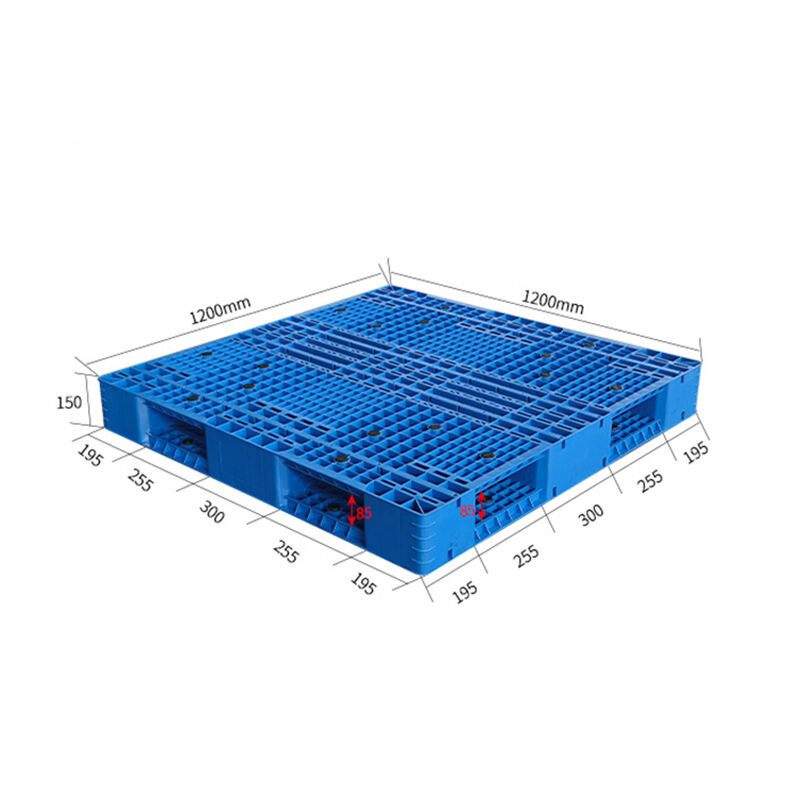
Plastic pallets are crafted to withstand the harshest of elements, including extreme temperatures and corrosive chemicals, ensuring their long-lasting performance. Compared to wooden pallets, which are susceptible to warping or breaking, plastic versions maintain their structural integrity, which is crucial in industrial environments where reliability is paramount. While the initial investment for plastic pallets is higher, their durability results in fewer replacements and significant cost savings over time. In fact, plastic pallets have a lifespan of up to 10 years, whereas wooden pallets typically last only 3-5 years. This substantiates the long-term economic benefits of opting for plastic pallets.
One of the standout features of plastic pallets is their non-porous nature, which makes them exceedingly simple to clean, a critical advantage for industries such as food and pharmaceuticals where hygiene standards are uncompromising. Simple washing protocols can ensure that these pallets remain free from contaminants, substantially reducing risks associated with product spoilage. Research indicates that companies leveraging plastic pallets can see a 30% reduction in cleaning time compared to those using wooden pallets. This efficiency in maintenance further highlights the practicality of plastic pallets in environments demanding high hygiene standards.## Cost Analysis: Plastic vs. Wooden Pallets in Industrial Use
Investing in plastic pallets may initially seem costly, but their durability and longevity result in greater savings over time. Unlike wooden pallets, which require frequent replacement, plastic pallets boast a long lifespan, decreasing overall expenditures related to purchases and disposals. Industrial logistics benefit from reduced maintenance and damage costs, ultimately saving businesses approximately 20% over ten years compared to their wooden counterparts. This cost-effective aspect highlights why many industries are gradually gravitating towards plastic pallets as a preferred packaging solution.
Wooden pallets often entail hidden costs due to frequent repairs and replacements necessitated by issues such as splintering, pest infestations, and decay. Maintenance is more labor-intensive, as additional handling is required to inspect and ensure safety compliance, often overlooked by organizations. Industry experts estimate that these maintenance expenditures are about 15% higher than those for plastic pallets, further emphasizing plastic pallets' cost-efficiency. Hidden expenses accumulate over time, diminishing the apparent affordability of wooden pallets and showcasing the advantages of transitioning to plastic alternatives in industrial logistics.## High-Performance Plastic Pallet Solutions
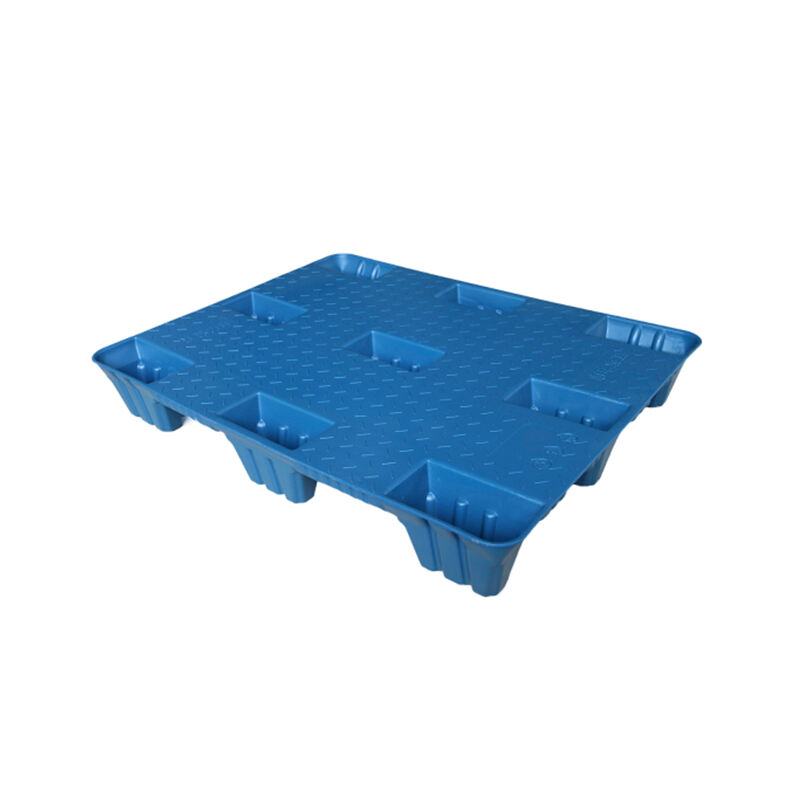
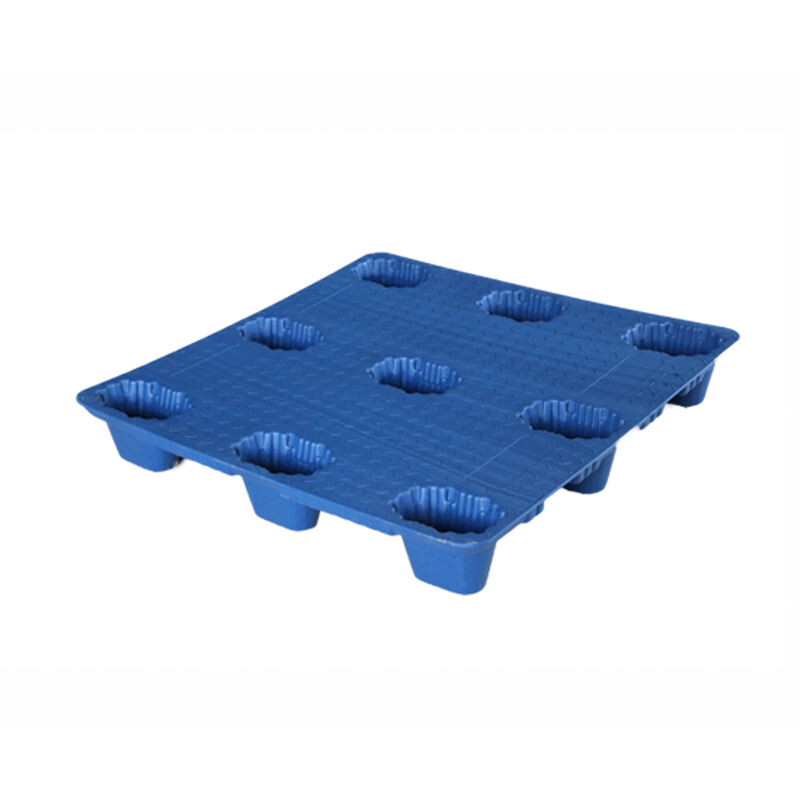
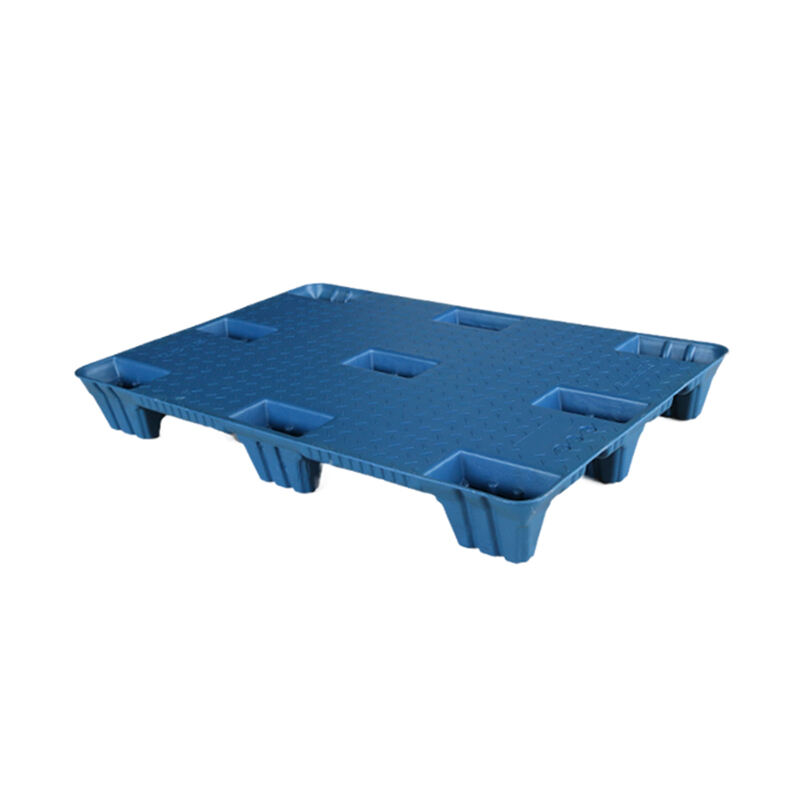
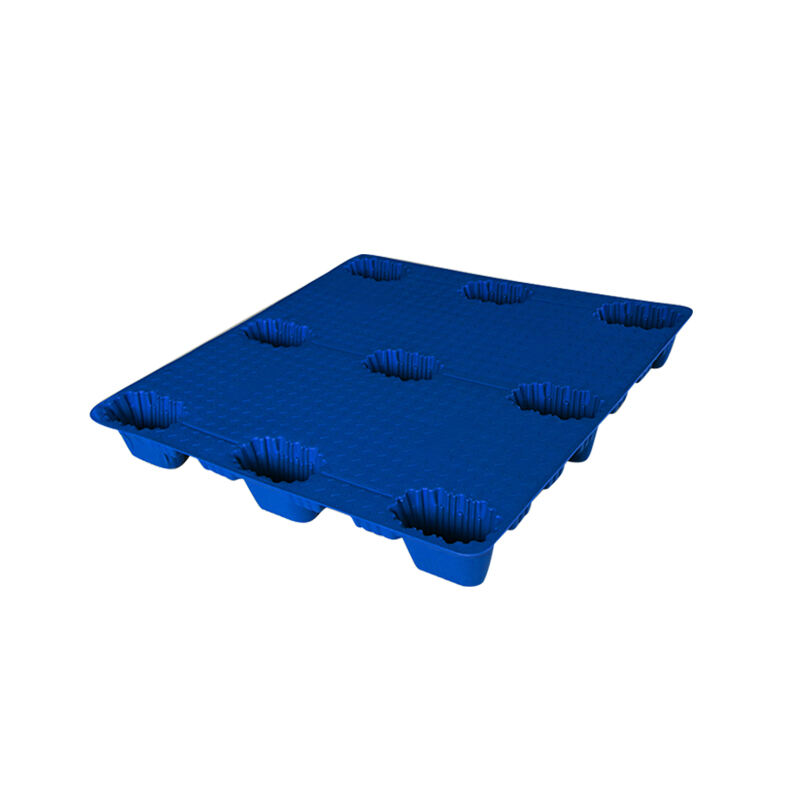
The LK1008 plastic pallet stands out with its innovative nine-leg design, effectively distributing weight to support substantial loads without sacrificing stability. This advanced structure diminishes the likelihood of breakage, a crucial consideration for industries managing bulk shipments. Notably, manufacturers have recorded that the LK1008 can endure loads exceeding 2000 lbs, reinforcing its prominence in heavy-duty logistics applications. This capability ensures that businesses utilizing the LK1008 experience fewer disruptions, leading to smoother operations in high-pressure industrial environments.
Designed for optimal transport stability, the LK1010 pallet is a pivotal asset for reducing transit damage and spillage, enhancing logistics efficiency. Its compatibility with automated handling systems facilitates smooth operations and elevates warehouse productivity. Industry experts indicate that implementing stability-focused pallets like the LK1010 can boost supply chain efficiency by up to 25%. Such improvements solidify the LK1010's role as a cornerstone in modern warehousing, ensuring that logistics processes are both seamless and reliable.
The LK1208 model epitomizes efficiency in storage and transportation with its stackable design, essential for businesses aiming to reduce overheads. This industrial-strength pallet copes with substantial loads without compromising safety, a priority for maintaining operational integrity. Many logistics firms report a notable 30% surge in storage efficiency following the adoption of stackable pallets such as the LK1208, affirming its value in space optimization and logistical planning, especially for industries requiring structured inventory management.
The LK1212 pallet features a reversible design, providing operational flexibility across various industries. This dual functionality streamlines loading and unloading processes, resulting in significant time savings. Companies utilizing the adaptable LK1212 report a workflow improvement of around 20%, underscoring its efficacy in a dynamic, ever-evolving business environment. Its versatility is particularly valuable for industries with diverse handling requirements, making it a versatile asset in operational setups.
The LK1212 double-sided plastic pallet incorporates a grid-reinforced design, augmenting its durability to withstand wear and tear. This structural advantage contributes to fewer replacements, crucial for maintaining uninterrupted supply chain operations, especially within just-in-time inventory systems. According to data, the robust design of the LK1212 leads to a 40% extension in usage life compared to standard options, marking it as an optimal choice for industries requiring high reliability and sustained performance.
## Sustainability and ROI of Plastic PalletsPlastic pallets play a crucial role in promoting sustainability by often being made from recycled materials, effectively contributing to a circular economy. Manufacturers recognize the environmental benefits and have implemented recycling programs to encourage the return and reuse of pallets, significantly reducing waste. These initiatives not only help in waste reduction but also promote a sustainable business model. For example, studies indicate a 30% reduction in waste when organizations participate in such recycling programs, underscoring their effectiveness in minimizing environmental impact and enhancing sustainability efforts.
The broader adoption of plastic pallets can lead to a lower carbon footprint in supply chains compared to wooden pallets, primarily due to reduced waste and longer lifespans. Lifecycle assessments demonstrate that transitioning to plastic pallets can decrease carbon emissions by up to 28% during logistics operations. This carbon footprint reduction aligns with sustainable practices, benefiting the environment while enhancing corporate responsibility and brand image. Companies can foster sustainability and improve their corporate image by adopting plastic pallets, thereby reflecting a commitment to eco-friendly practices and reducing their environmental impact.

 EN
EN
 AR
AR DA
DA NL
NL FI
FI FR
FR DE
DE IT
IT JA
JA KO
KO NO
NO PL
PL PT
PT RO
RO RU
RU ES
ES SV
SV TL
TL ID
ID SR
SR SK
SK VI
VI TH
TH TR
TR FA
FA MS
MS GA
GA CY
CY IS
IS HY
HY AZ
AZ KA
KA BN
BN MI
MI MN
MN NE
NE KK
KK UZ
UZ KY
KY