Recyclable pallets play a crucial role in minimizing material waste in logistics chains, addressing the pressing issue of environmental impact by reducing the waste the logistics sector, which accounts for 30% of global waste, generates. By transitioning to recyclable pallets, companies can significantly divert waste destined for landfills, effectively preventing thousands of tons of material from contributing to environmental degradation. Furthermore, these pallets align with circular economy initiatives by facilitating the reuse of materials rather than their disposal. This approach not only optimizes resource management but also encourages sustainable practices within the industry. The adoption of recyclable pallets, therefore, represents a forward-thinking solution for businesses aiming to reduce their environmental footprint.
The use of recyclable pallets largely contributes to lowering carbon footprints in transportation by emphasizing reusability. By reusing pallets, companies can dramatically cut down on the necessity to manufacture new pallets, a process known for its high energy consumption. Evidence supports that choosing reusable packaging solutions can reduce the carbon footprint by up to 70%, showcasing a substantial environmental benefit. Moreover, designing recyclable pallets for multiple uses extends the lifecycle of materials, thereby minimizing greenhouse gas emissions linked with new production cycles. This sustainable approach not only ensures environmental conservation but also fosters a culture of responsible resource utilization within supply chains.
Durable recyclable plastic pallets, such as the LK1412, offer substantial long-term cost savings due to their resilience and longevity. These pallets withstand heavy loads and harsh environmental conditions, which drastically reduces the need for frequent replacements compared to traditional wooden pallets. Studies indicate that utilizing plastic containers can lead to savings of up to 25% in long-term sourcing costs. This reduction in cost stems from fewer replacements and repairs, leading to increased financial efficiency in logistics operations. Furthermore, investing in recyclable pallets minimizes operational downtime caused by damage or defects typically associated with traditional pallets, thus enhancing overall logistics efficiency and contributing to cost savings.
Conducting a lifecycle assessment (LCA) of recyclable pallets reveals their significant contribution to reducing environmental impact from manufacturing to disposal. Unlike traditional pallets, which often end in landfills, recyclable plastic pallets promote a sustainable logistics cycle by recycling materials at the end of their life, thus minimizing waste. These plastic pallets can be engineered to be entirely recyclable, reducing environmental strain during their end-of-life processes. This capability prevents the significant waste contribution typical of traditional pallets, aligning with eco-friendly initiatives to create a sustainable and less wasteful logistics process. By optimizing the use of recyclable materials, businesses not only support sustainability but also enhance their operational sustainability profile.
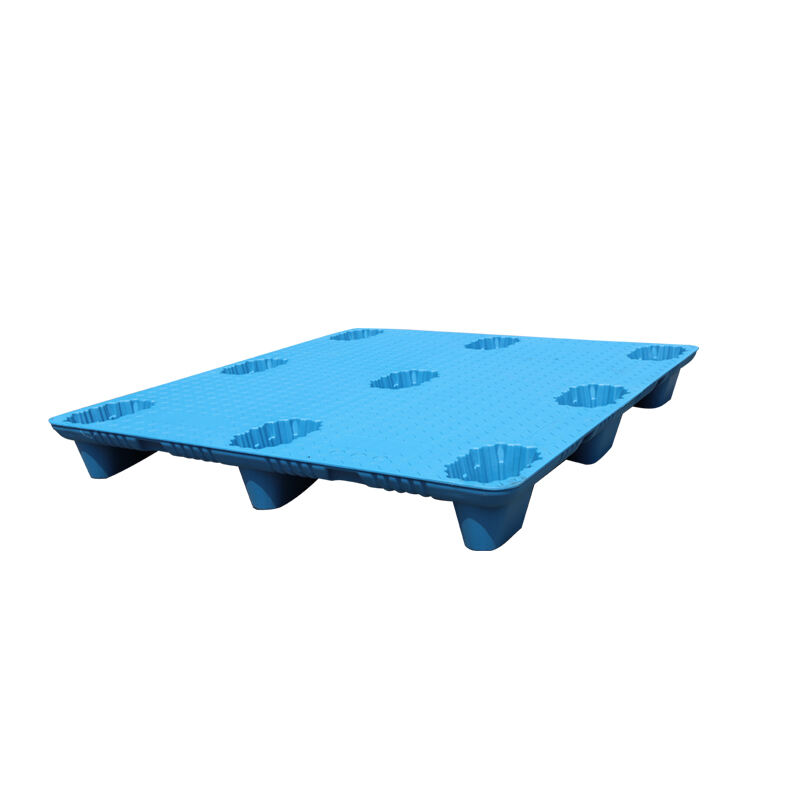
The LK1412 plastic pallet's unique nine-legged design ensures that weight is evenly distributed, making it a top choice for managing heavy loads in warehouse environments. This design greatly minimizes the risk of injuries by enhancing stability, contributing to a safer working environment. Made from high-density polyethylene, the pallet offers exceptional resistance to moisture, chemicals, and impacts, which significantly prolongs its operational lifespan across various logistics settings. Such durability not only reduces replacement costs but also supports efficient and sustainable warehouse logistics.
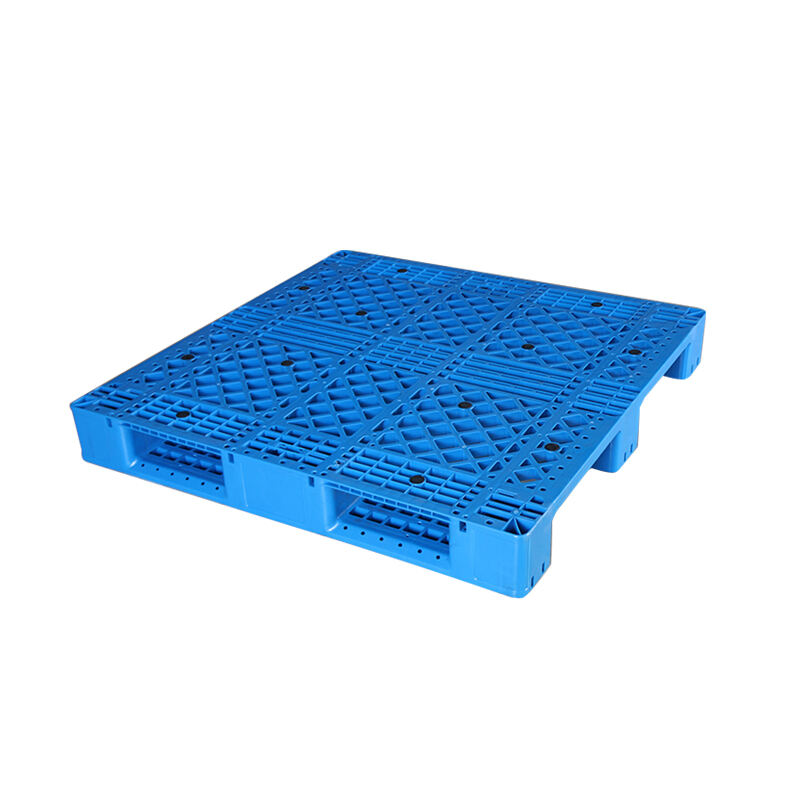
The LK1212 plastic container is designed with ventilation in mind, providing air circulation that is especially beneficial for transporting food products or sensitive goods that require controlled temperatures. The grid pattern ensures that items remain dry and airy, aiding in the preservation of product quality during transport. Additionally, its stackable design maximizes storage efficiency, allowing companies to optimize their space and reduce transportation expenditures. This dual functionality makes the LK1212 a valuable asset in logistics operations focused on efficiency and cost reduction.
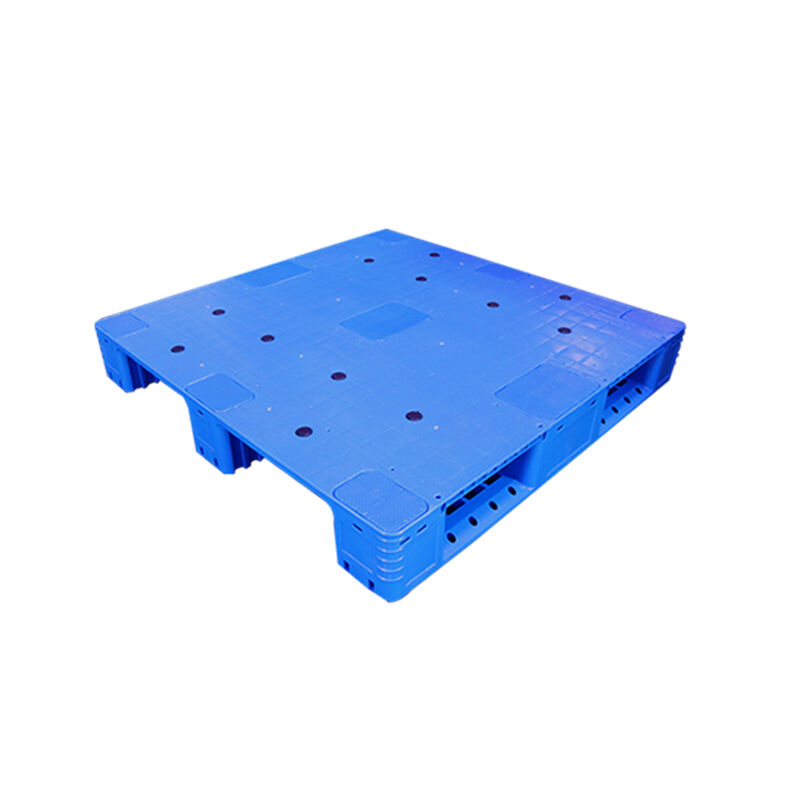
Engineered with a flat design, the LK1111 plastic crate maximizes space efficiency, significantly lowering shipping expenses as these crates can be nested together when empty. This space-saving capability helps reduce the carbon footprint associated with logistics, offering a greener approach to material transportation. Moreover, it streamlines warehouse management by optimizing shelf space usage, simplifying storage strategies. In industries where operational efficiency and sustainability are priorities, the LK1111 proves to be an invaluable tool for seamless logistics management.
Integrating recyclable pallets within a circular supply chain model can significantly boost sustainability efforts. Organizations can foster cooperation among suppliers, logistics operators, and customers by employing recyclable pallets. This collaboration enables efficient material returns and recycling initiatives, reducing waste and promoting a closed-loop system. To further enhance sustainability, businesses can implement tracking systems to monitor pallet usage and evaluate supply chain practices. By analyzing these patterns, companies can optimize resource management, resulting in reduced environmental impact and cost-efficient logistics operations.
Proper maintenance of plastic pallets is crucial in extending their service life and maximizing sustainability efforts. Regular inspection and maintenance can lead to a service life extension of up to 50%, ensuring businesses get the most out of their investment. It's essential to incorporate effective cleaning and repair strategies to maintain the quality of these pallets. This not only safeguards the products being transported but also aligns with consumer safety standards. Furthermore, by focusing on maintenance, companies can play a pivotal role in reducing their environmental footprint through prolonged use and minimized waste.
The logistics industry is making significant strides toward adopting closed-loop systems, which streamline processes by reusing recyclable pallets within controlled supply chains. This shift is critical in fostering a sustainable cycle where materials are reused efficiently, reducing the dependency on finite resources. As firms reclaim their pallets post-shipment, not only is waste minimized, but costs are also substantially cut, offering a more sustainable operational model. Adopting closed-loop systems has emerged as an effective way to merge cost-efficiency with eco-conscious practices, ensuring the longevity of resources and reducing environmental impact.
Government regulations are increasingly focusing on reducing plastic waste and promoting sustainable practices, leading businesses to shift toward using recyclable materials like plastic boxes in their logistics operations. These regulations encourage the adoption of sustainable solutions to align with societal environmental goals. Compliance with such regulations can significantly enhance a company's brand reputation, offering a competitive edge as consumers become more environmentally aware. By aligning with government directives, companies not only fulfill mandatory requirements but also demonstrate their commitment to sustainability, appealing to the growing base of eco-conscious consumers and thereby boosting their market competitiveness.

 EN
EN
 AR
AR DA
DA NL
NL FI
FI FR
FR DE
DE IT
IT JA
JA KO
KO NO
NO PL
PL PT
PT RO
RO RU
RU ES
ES SV
SV TL
TL ID
ID SR
SR SK
SK VI
VI TH
TH TR
TR FA
FA MS
MS GA
GA CY
CY IS
IS HY
HY AZ
AZ KA
KA BN
BN MI
MI MN
MN NE
NE KK
KK UZ
UZ KY
KY