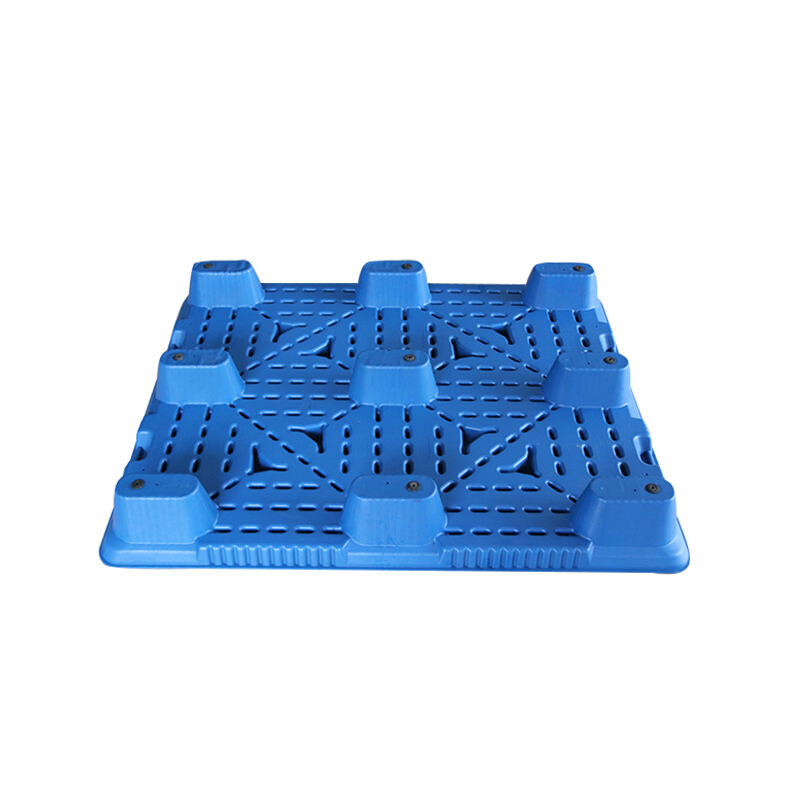
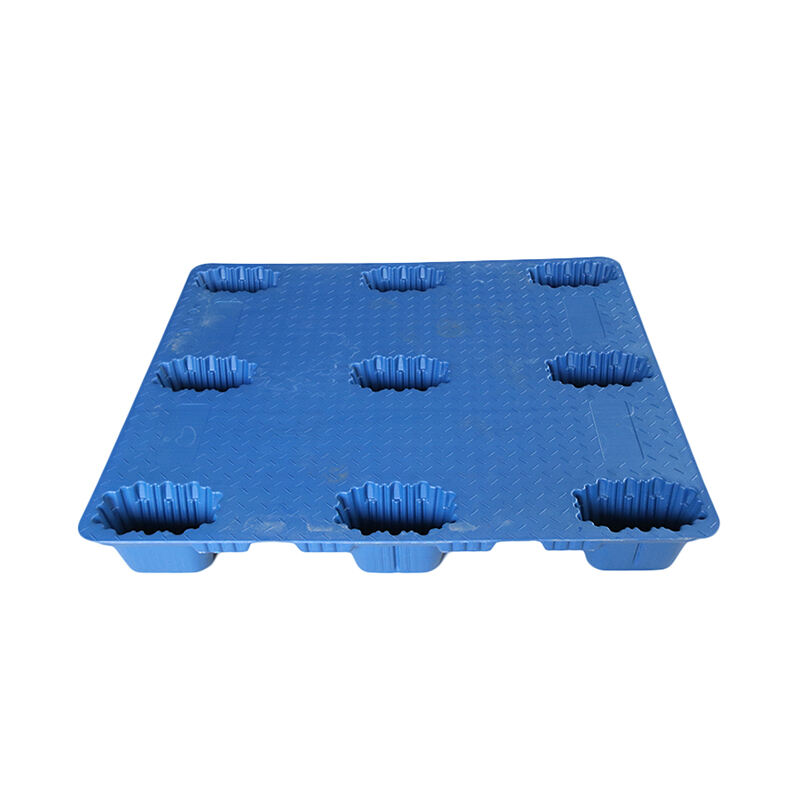
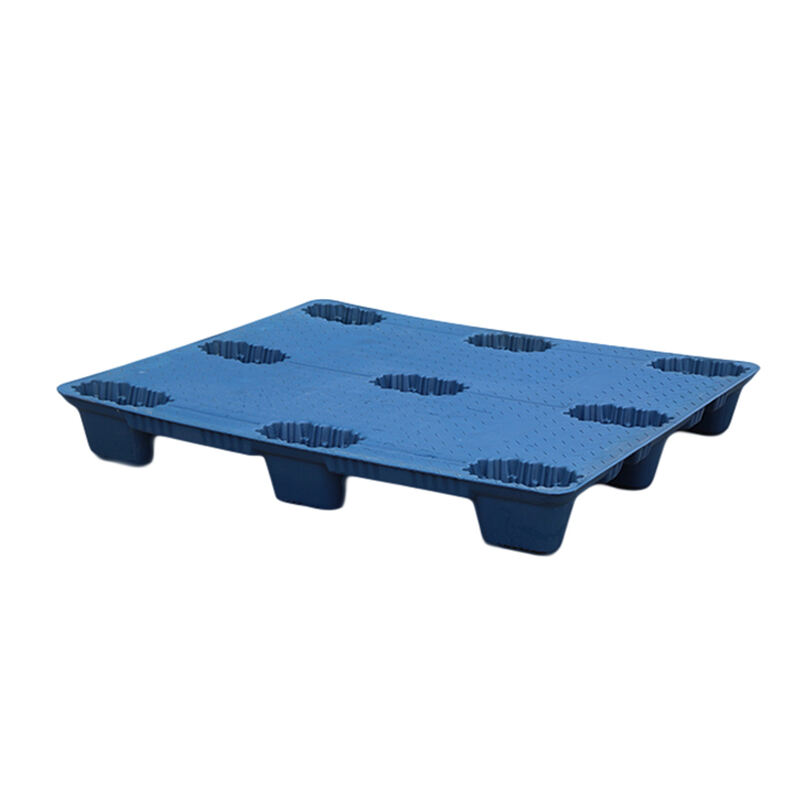
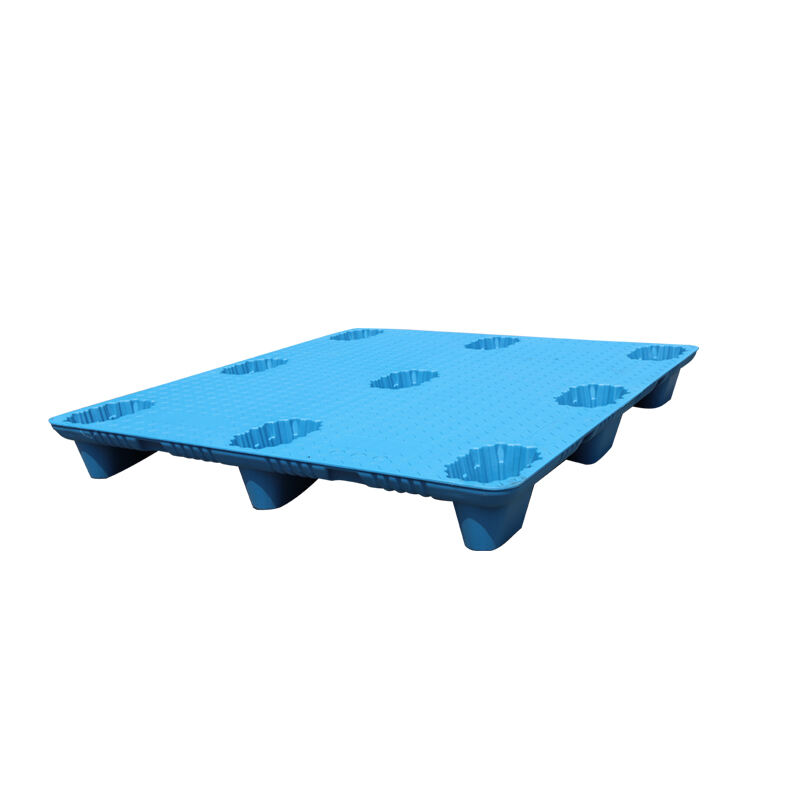
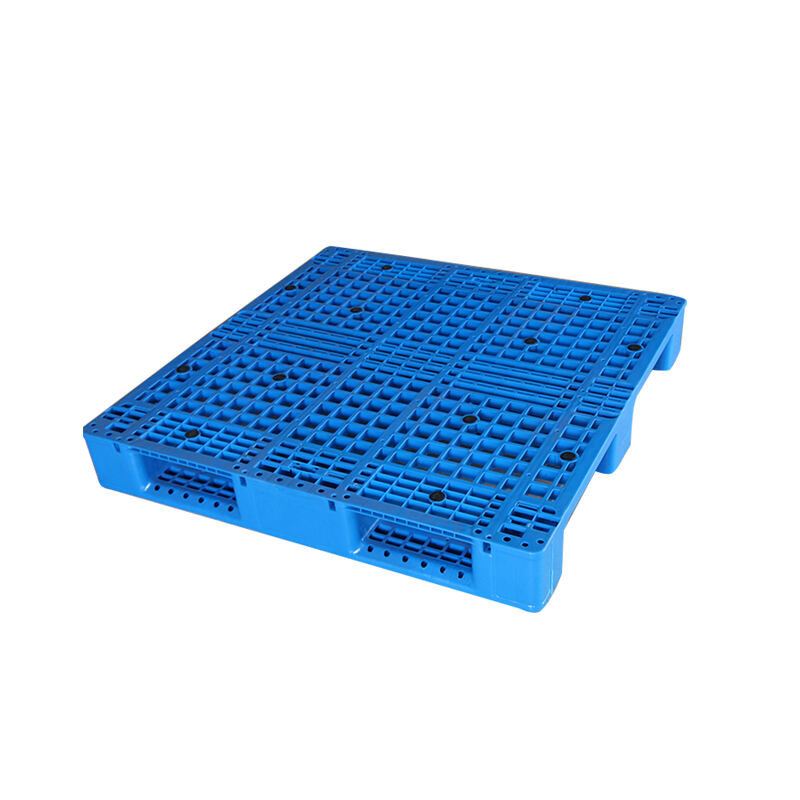
Plastic pallets significantly contribute to reduced deforestation by minimizing the demand for wood. With the logistics industry largely dependent on pallets, switching from wood to plastic can conserve many trees annually, according to industry estimates. Utilizing recycled plastics in pallet manufacturing not only diverts waste from landfills but also conserves natural resources. The global shift from wooden to plastic pallets is an environmentally sound strategy supported by advancements in manufacturing processes that integrate recycled materials, promoting resource conservation and sustainability.
The production and transport of plastic pallets present a lower carbon footprint compared to wooden alternatives. Data highlights that manufacturing plastic pallets typically involves fewer emissions, primarily due to the use of recycled materials and energy-efficient processes. Furthermore, the lighter weight of plastic pallets reduces transportation emissions, leading to cost savings and environmental benefits. This combination makes plastic pallets an eco-friendly production choice, aligning with industry demands for sustainable logistics solutions.
Plastic pallets excel in humid environments, boasting resilience against moisture, mold, and decay. Unlike wooden pallets, they are impervious to conditions prevalent in the food and pharmaceutical industries, where hygiene and durability are paramount. Studies and expert testimonies underscore the longevity of plastic pallets, often surpassing wooden options in such settings. With their moisture resistance, plastic pallets maintain their integrity and functionality over time, providing superior durability and efficiency across various environmental conditions.
Eco-friendly plastic pallets are at the forefront of promoting circular economies due to their use of recycled materials. These pallets incorporate materials such as post-consumer plastics, thereby reducing the demand for virgin resources and minimizing environmental impact. Industries such as logistics and retail have successfully integrated recycled plastic pallets, enhancing their sustainability efforts and demonstrating significant business advantages. For instance, Schoeller Allibert, a specialist in sustainable packaging, develops pallets that contribute to significant reductions in CO2 emissions by incorporating recycled content. According to recent data, modern plastic pallets can consist of up to 100% recycled material, showcasing their pivotal role in sustainable resource management.
The modular design of eco-friendly plastic pallets offers practical advantages through easy repair, which prolongs their lifespan and reduces environmental waste. These pallets are engineered to allow individual components to be replaced rather than disposing of damaged units, thereby conserving resources and minimizing waste generation. This design not only supports environmental sustainability but also offers economic benefits through cost-effectiveness. Companies using modular designs experience reduced expenditures on replacement costs and observe longevity in pallet utilization. Testimonies from industries underscore the financial efficiency and extended service life of these pallets, highlighting their value in contemporary business operations.
Plastic pallets with anti-microbial properties hold great significance for food logistics, ensuring the highest standards of safety and hygiene. These properties effectively prevent the growth and spread of harmful microorganisms during the handling and transportation of food products, providing a safer environment for distribution. Studies within the food industry have demonstrated the efficacy of these pallets, which comply with stringent hygiene certifications and standards that are essential for maintaining safety in food logistics. Eco-friendly plastic pallets thereby enhance food safety measures, crucially supporting industries that depend on contamination prevention.
Ventilated plastic crates are increasingly critical in maintaining compliance within cold chain logistics by facilitating efficient temperature control. These crates allow for better airflow, helping keep products like pharmaceuticals and food cool, which is essential for sectors where temperature stability is crucial. For instance, the pharmaceutical industry relies on maintaining a strict cold chain to ensure drug efficacy and safety, whereas the food industry uses these crates to prevent spoilage and ensure quality. There's emerging evidence of companies adopting these crates to ensure reliable cold chain operations; a notable example is their use in pharmaceutical transportation, where effective temperature management is a non-negotiable requirement.
Plastic shipping boxes are designed to meet international export standards, ensuring product safety and compliance during transportation. Unlike cardboard boxes, plastic solutions offer superior durability and resistance to moisture, significantly reducing the risk of damage. This characteristic is crucial for exports where goods face diverse environmental conditions. Case studies, such as those from electronics and medical equipment industries, showcase plastic shipping boxes in enhancing export operations due to their robust nature. The longevity and reliability provided by these plastic boxes help maintain product integrity during long journeys.
Plastic pallets have revolutionized high-density storage efficiency in distribution centers, offering significant space-saving advantages that enhance product organization and accessibility. These pallets facilitate better inventory management by allowing stacking strategies that optimize available space and improve product visibility. Studies demonstrate improved inventory turnover rates using plastic storage systems compared to traditional methods, highlighting their efficiency in warehouse management. As the retail industry becomes more competitive, integrating plastic pallets into storage solutions becomes imperative to maintain streamlined operations and drive business success. Distribution centers can therefore leverage these systems to maximize storage capacity and facilitate faster retrieval of products.
The LK1210 represents a robust solution in the plastic pallet industry, renowned for its heavy-duty nature and innovative design. This pallet is crafted from top-grade impact-resistant plastic, showcasing a unique 9-leg structure which maximizes stability and load distribution. It's ideally suited for industries such as manufacturing, distribution, and food processing that demand high-capacity storage solutions. Customers have reported significant efficiency improvements in logistics operations due to the reliable performance of the LK1210. For example, a logistics firm noted a 20% increase in load handling capabilities after incorporating this plastic pallet into their systems. Overall, the LK1210 exemplifies how robust design can empower industries to enhance storage and transport systems effortlessly.
The LK1211 is a lightweight nestable plastic tray engineered for ease of handling and transportation. Its design allows for efficient stacking, which proves advantageous in optimizing space within warehouses and logistics centers. One standout feature is its ability to be nested tightly, significantly reducing the space required for storage when not in use. Industries have praised the LK1211 for its lightweight nature; a manufacturing company reported reduced labor costs by 15% after switching to these nestable trays. This lightweight, durable, and space-efficient plastic pallet is perfect for industries prioritizing cost-effective storage solutions without compromising on quality.
The LK1311 is crafted from high-quality recyclable materials, making it a key component in sustainable warehousing practices. This pallet not only offers durability but also bolsters eco-friendly initiatives by integrating recycled and future recyclable materials. Its design supports space optimization by accommodating nestable stacking, reducing warehousing space needs. Statistics from industry reports indicate that the adoption of LK1311 pallets contributes to a 30% increase in recycling rates among businesses that prioritize sustainability. These characteristics demonstrate the LK1311’s vital role in enhancing operational efficiency while supporting environmental goals.
The LK1412 is distinguished by its reinforced design, making it especially suitable for heavy industrial applications. This pallet is constructed to endure hostile environments, featuring a dynamic structure that prevents cracking and warping under considerable weight. Its reinforcement offers unparalleled durability advantages, necessary for industries that operate under challenging conditions. High-demand sectors have highlighted the effectiveness of LK1412 through case studies showing reductions in material failure rates by 25%. This showcases the LK1412’s critical role in advancing industrial performance and reliability in tough applications.
The HDPE Grid 3-Runner Plastic Tray is specially designed with a unique ventilation structure, enhancing product safety during transit by promoting airflow and reducing moisture accumulation. This design is particularly beneficial for sectors dealing in perishables, where effective ventilation is crucial to prevent spoilage and ensure product quality. Data from users indicate a correlation between the use of ventilated trays and a reduction in spoilage rates by up to 18%, underscoring the HDPE tray's significance in improving logistics operations across various industries.

 EN
EN
 AR
AR DA
DA NL
NL FI
FI FR
FR DE
DE IT
IT JA
JA KO
KO NO
NO PL
PL PT
PT RO
RO RU
RU ES
ES SV
SV TL
TL ID
ID SR
SR SK
SK VI
VI TH
TH TR
TR FA
FA MS
MS GA
GA CY
CY IS
IS HY
HY AZ
AZ KA
KA BN
BN MI
MI MN
MN NE
NE KK
KK UZ
UZ KY
KY