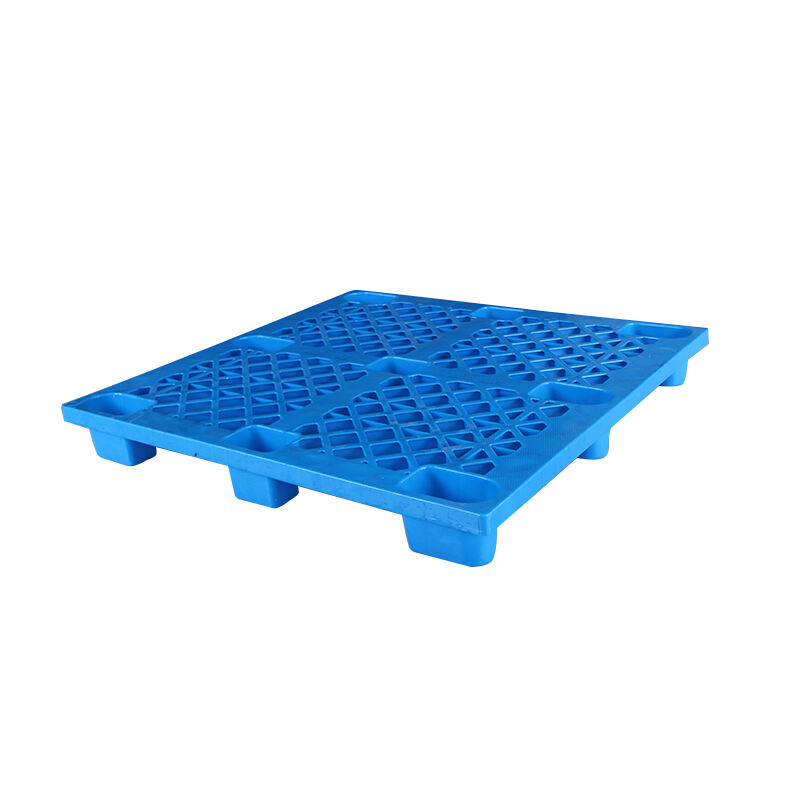
Plastic pallets present significant hygiene benefits over traditional wooden pallets due to their non-porous nature. Wooden pallets tend to absorb liquids and contaminants, which can harbor bacteria and fungi, posing health risks. In contrast, plastic pallets do not absorb moisture, making them inherently more sanitary and easier to clean and sanitize. This characteristic ensures that food companies can consistently comply with stringent food safety regulations, thereby minimizing the risk of contamination. As studies indicate, implementing plastic pallets can notably decrease the incidence of foodborne illnesses linked to pallet contamination. Thus, their use is advocated for sustaining high hygiene standards in food storage and transportation.
Plastic pallets boast impressive load-bearing capacity, often surpassing that of wooden pallets, making them suitable for heavy-duty operations in the food industry. These pallets are constructed to endure substantial weights without breaking or warping, thereby maintaining their integrity over time. This durability ensures a reliable supply chain as they continue to perform well under pressure. Research supports that the superior load-bearing capacity of plastic pallets can significantly improve operational efficiency by lessening the frequency of pallet replacements. The consistent performance and long lifespan of plastic pallets contribute to a smooth and cost-effective logistics process in demanding industrial environments.
Sustainability Benefits of Recycled Plastic Pallets
Recycled plastic pallets play a crucial role in minimizing waste and reducing the carbon footprint of businesses. By using recycled materials, companies actively participate in sustainability practices that dramatically lower the environmental impact associated with plastic production. Studies in sustainability reports have confirmed that the production of recycled materials requires less energy compared to the production of virgin plastics, offering a more environmentally-friendly alternative. Embracing recycled plastic pallets not only helps in managing waste efficiently but also showcases a company's dedication to sustainability, thereby boosting its brand image among eco-conscious consumers.
The design of recycled plastic pallets focuses on long-term use, which results in substantial cost savings for businesses over time. Unlike single-use options, these pallets can be reused repeatedly, allowing companies to save on disposal costs and reduce the need for new purchases. According to annual reports, businesses that adopt reusable pallets significantly lower operational expenses, particularly in sectors with high inventory turnover rates. The durability and longevity of recycled plastic pallets lead to decreased repurchasing frequency, highlighting their cost-effectiveness for businesses intent on optimizing resource management.
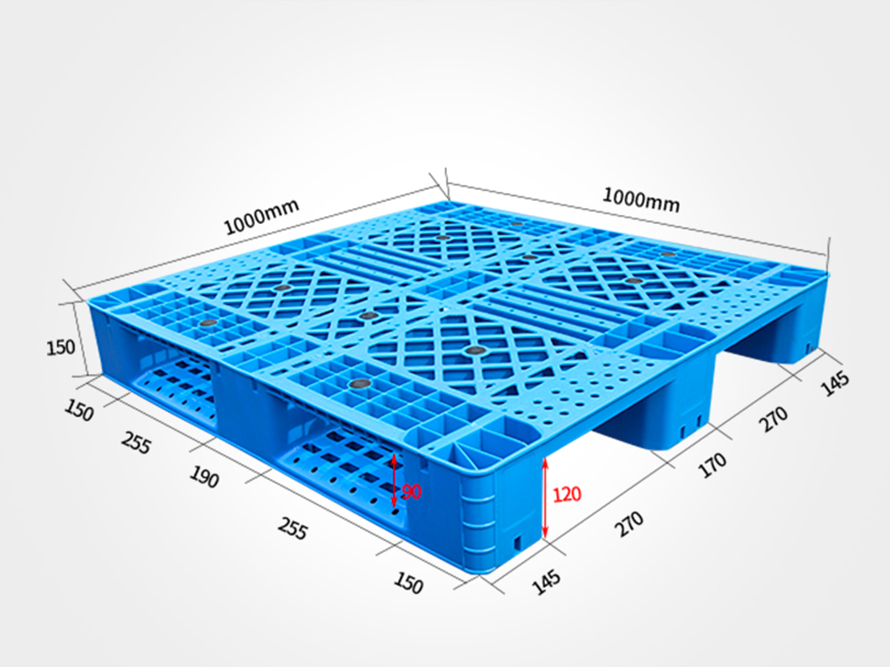
The 1010 Grid Sichuan Tray is a top choice for food industry needs due to its robust design that can handle high-density storage applications. Engineered for strength and durability, it efficiently manages significant weight, making it a reliable asset for food businesses. Its compatibility with various logistical systems enhances operational efficiency, and its unique grid design optimizes airflow, thus minimizing spoilage risks during storage.
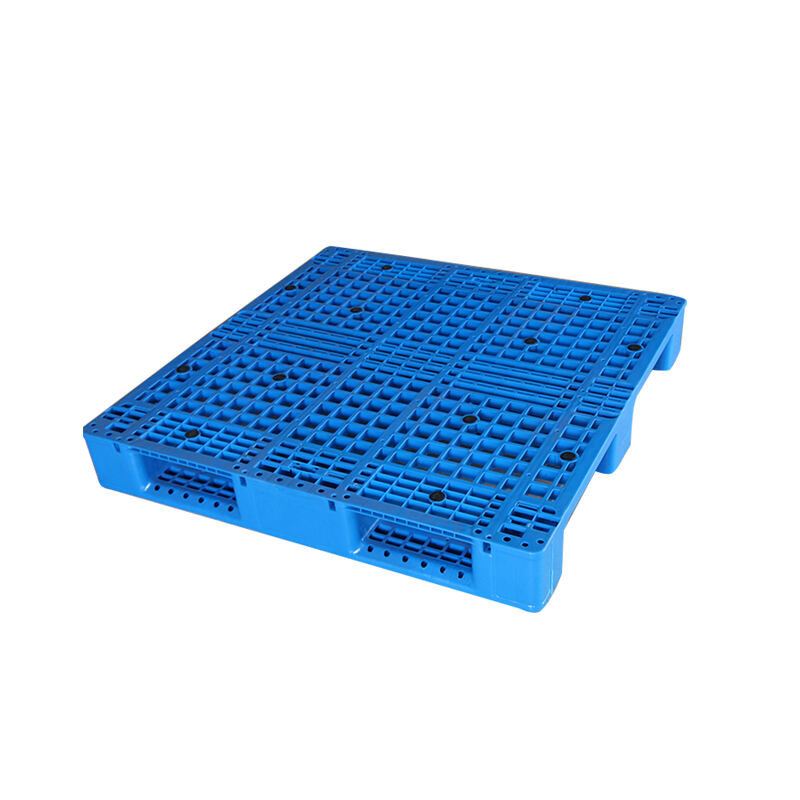
The HDPE Grid 3 Runners Plastic Pallet stands out for its strategic design featuring three runners, which ensure enhanced stability and efficient load distribution—essential for stacking and transporting goods safely. The pallet's ventilation design is crucial for food industries as it promotes better air circulation, vital for maintaining product freshness. Industry experts frequently recommend this pallet due to its functional design and durability.
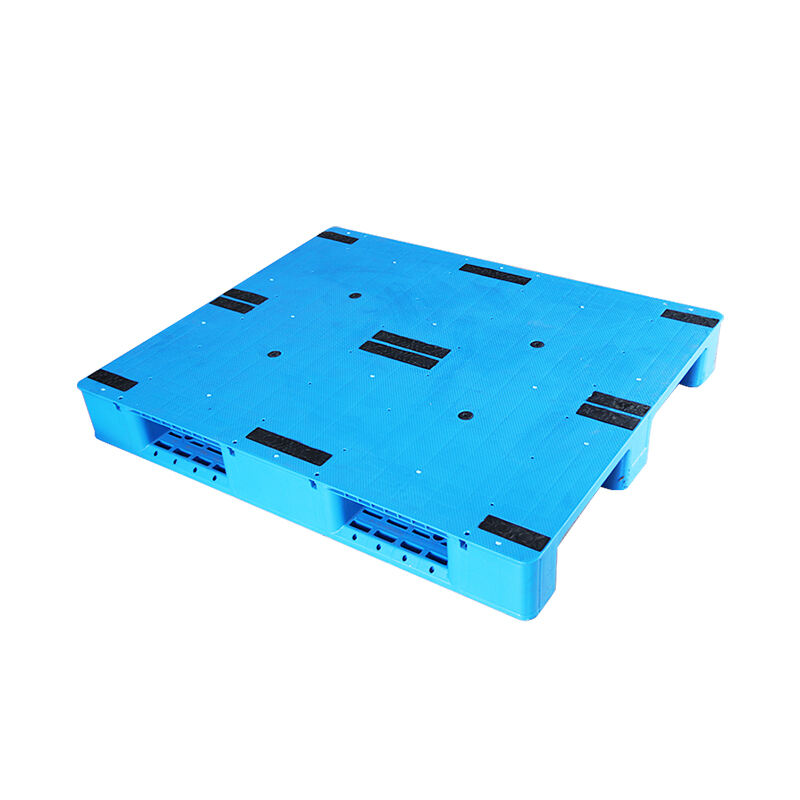
The LK1210 Three Runners Flat Pallet is crafted with a forklift-friendly design, ensuring ease of maneuverability and high efficiency in warehouses and distribution centers. Its flat structure reduces the risk of product damage during transit and facilitates quick loading and unloading processes. Furthermore, this pallet harmonizes with standard pallet racking systems, thereby maximizing storage and enhancing warehouse efficiency.
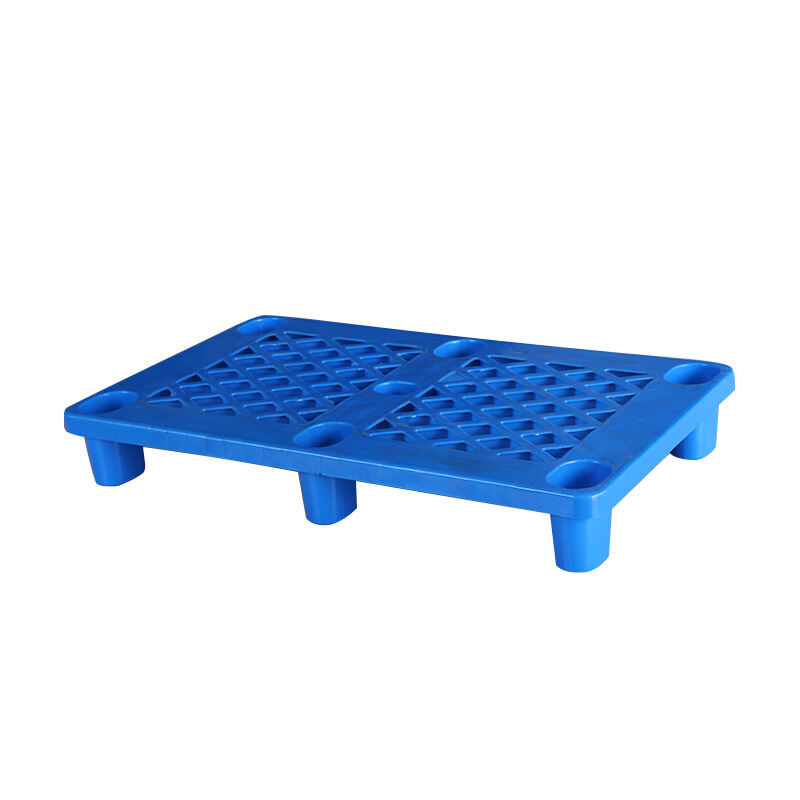
The LK1006 Nine-Leg Grid Pallet offers superior support and moisture resistance, making it ideal for storing refrigerated and frozen food products. Its robust structure resists warping, maintaining stability even in challenging environmental conditions. Notably, its moisture-resistant design extends the shelf life of stored items, providing essential benefits for refrigerated storage needs.
The LK1212 Premium Grid Pallet is designed for heavy-duty circulation, catering to the logistics demands of food industries requiring frequent handling and transportation. Constructed from high-quality materials, it withstands rigorous supply chain processes while maintaining structural integrity even under heavy loads. This pallet enhances productivity by enabling quicker turnaround times in product distribution, thus optimizing logistics operations.
Food-grade plastic pallets are essential in ensuring the safety and integrity of food products in storage and transportation. These pallets must adhere to stringent FDA standards, designed to prevent bacterial contamination and the harboring of harmful pathogens, thanks to their non-porous surfaces. Such surfaces are engineered to resist absorption and retain cleanliness, reducing risks associated with food safety.
Customization options are crucial for businesses looking to meet specific compliance requirements. Companies can tailor their pallets to align with unique operational needs, ensuring adherence to safety regulations while improving logistical efficiency. Experts within the industry affirm that utilizing pallets compliant with these standards not only secures food safety but also enhances the overall quality and integrity of the products. This proactive approach to meeting regulatory demands reflects a commitment to maintaining high standards in food handling and storage processes.
The integration of smart tracking technologies in plastic pallets is transforming inventory management by enabling real-time location tracking and enhancing supply chain transparency. Companies adopting IoT solutions within their logistics operations have reported an impressive increase in efficiency, alongside a noticeable reduction in losses attributed to misplaced pallets. This not only minimizes the risk of inventory shrinkage but also ensures a smoother flow of goods along the supply chain. According to industry forecasts, smart tracking is expected to become a standard feature in plastic pallets over the coming years, further solidifying their market position as a pivotal component in modern food logistics. The ability to monitor and manage shipments efficiently will undoubtedly become a crucial selling point for businesses aiming to streamline operations and enhance accountability in their logistics networks.

 EN
EN
 AR
AR DA
DA NL
NL FI
FI FR
FR DE
DE IT
IT JA
JA KO
KO NO
NO PL
PL PT
PT RO
RO RU
RU ES
ES SV
SV TL
TL ID
ID SR
SR SK
SK VI
VI TH
TH TR
TR FA
FA MS
MS GA
GA CY
CY IS
IS HY
HY AZ
AZ KA
KA BN
BN MI
MI MN
MN NE
NE KK
KK UZ
UZ KY
KY