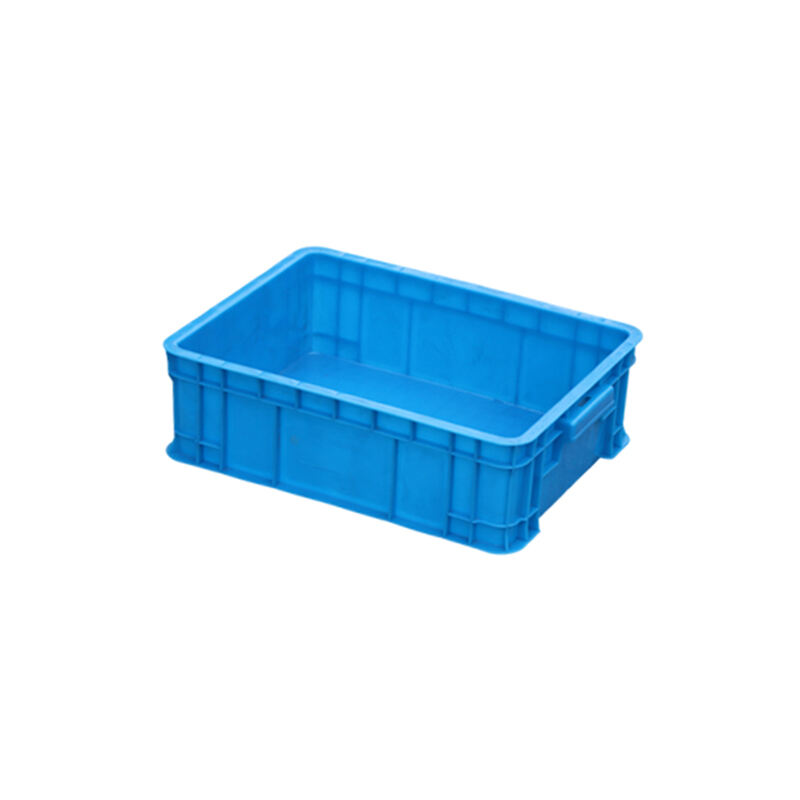
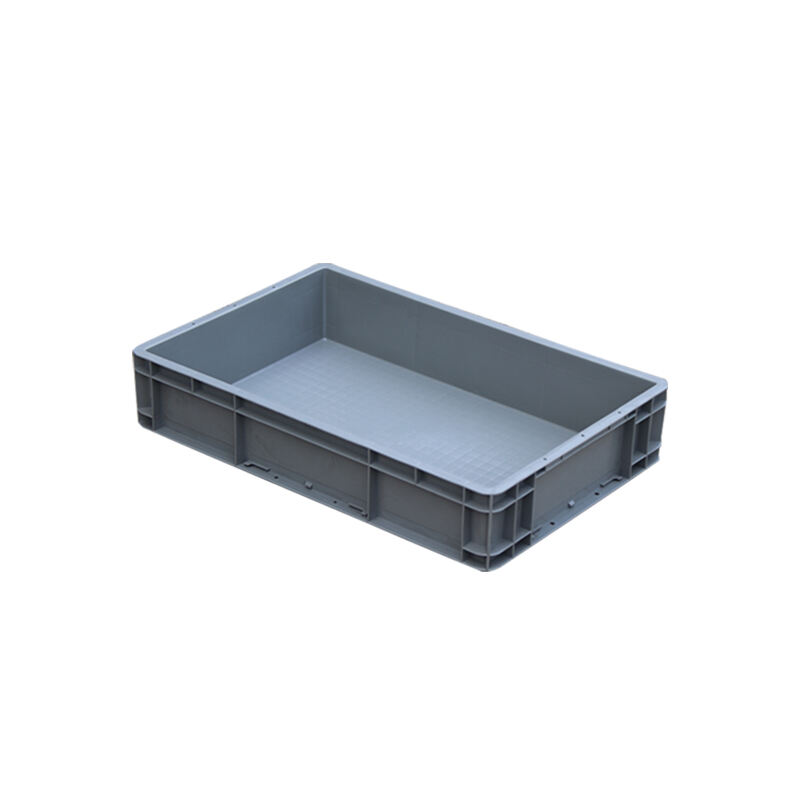
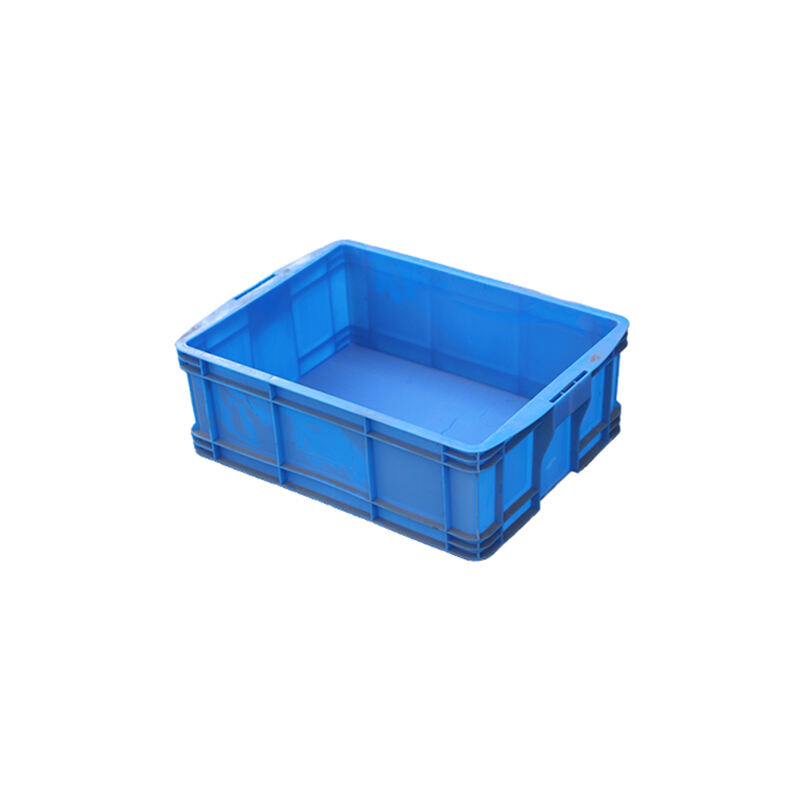
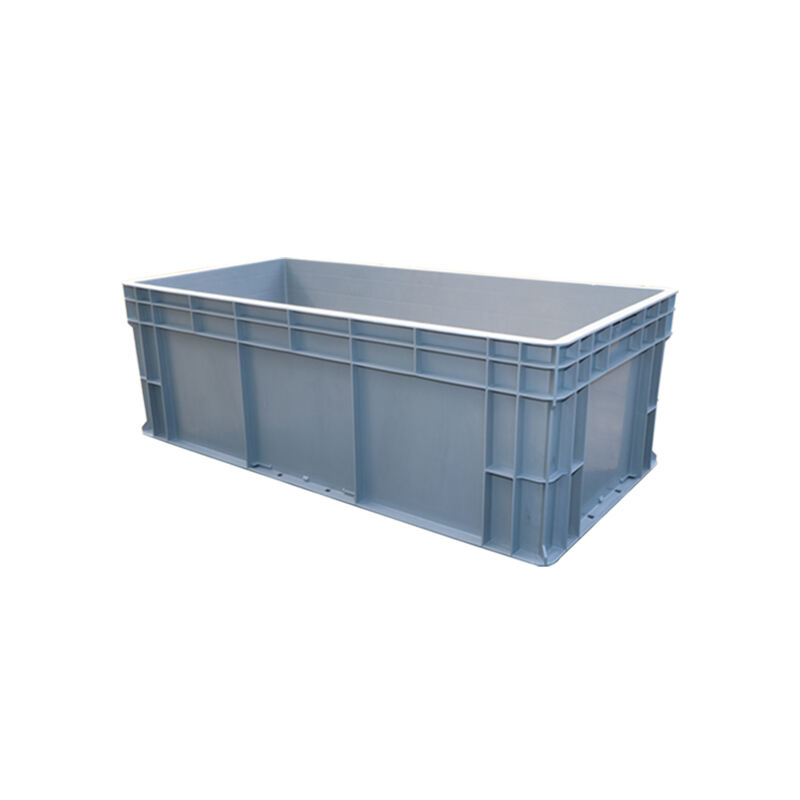
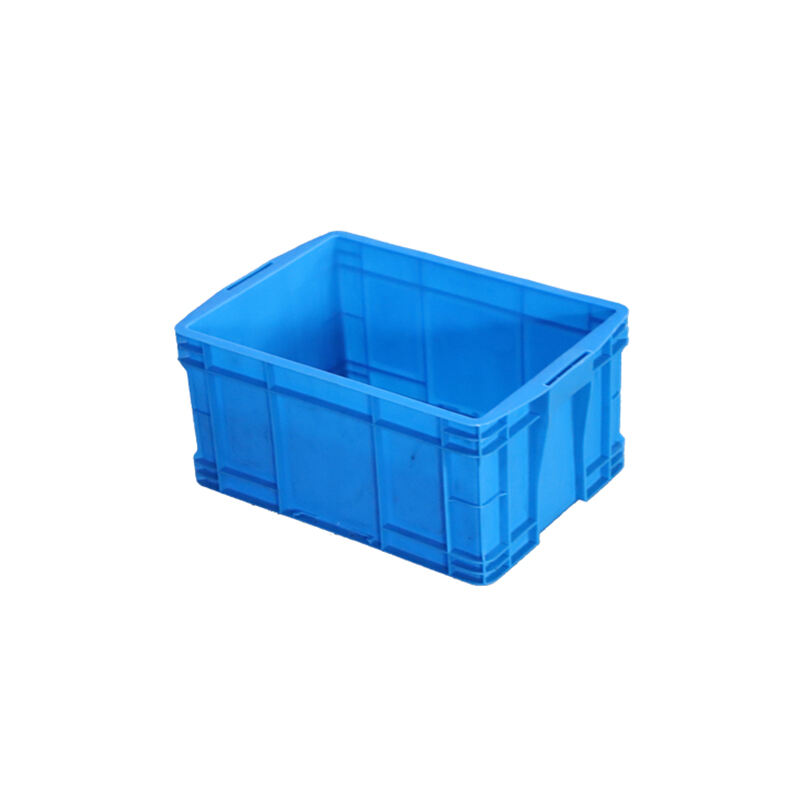
When it comes to selecting polymers for plastic logistics containers, High-Density Polyethylene (HDPE) and Polypropylene (PP) are the leading choices due to their distinct properties. HDPE is favored for its higher density, which translates into excellent impact resistance and high chemical resistance, making it ideal for the food industry where compliance standards are stringent. Moreover, its sturdy nature ensures that containers withstand harsh environments without compromising the integrity of their contents. On the other hand, PP is celebrated for its lower density and exceptional flexibility, making it the go-to for applications where lightweight and flexible packaging is essential, such as versatile storage solutions. Both materials score well on sustainability as they can be recycled, but HDPE generally has a lesser environmental impact due to its high success rate in recycling programs across industries. Considering cost-effectiveness, PP often comes out as the more affordable option due to lower processing costs, even though both polymers present opportunities for incorporating recycled material.
Impact resistance and load-bearing capacity are critical factors for logistics containers as they ensure the safe and efficient transport of goods. Impact resistance measures a material's ability to withstand sudden force without cracking or breaking, crucial for handling rough transportation. HDPE and PP containers excelled in lab tests, with HDPE often showing superior resistance due to its denser structure. Load-bearing capacity refers to the maximum weight a container can hold without failure. Studies have shown that improved load capacities directly enhance logistical efficiency and safety by reducing container damage and product loss during shipping. For instance, high-load capacity containers can be stacked more effectively, optimizing space in storage facilities and transportation vehicles, thereby lowering logistical costs and improving operational safety.
Thermal stability is a vital property for logistics containers used in environments with extreme temperatures, such as cold storage or high-heat operations. HDPE and PP offer varied performance in these conditions, with HDPE generally outpacing PP in colder environments due to its enduring nature below freezing temperatures. Scientific evaluations highlight that HDPE maintains its structural integrity and performance in cold storage settings, ensuring that temperature-sensitive goods are kept secure. Conversely, PP is better suited for applications needing durability against moderate heat due to its inherent flexibility. Case studies, such as the successful implementation of HDPE containers in the arctic food supply chains, illustrate the importance of choosing the right material. These examples underline how the strategic use of materials tailored to specific temperature extremes can optimize logistics and maintain the quality of transported goods.
Maintaining color consistency in logistics is crucial for brand recognition and influences consumer perception, with a substantial impact on market presence. Precise color matching enhances brand visibility and fosters customer loyalty. Statistics reveal that consistent branding through color can boost recognition by up to 80%, showcasing its powerful role in consumer decision-making. To achieve this, several methods like digital printing and UV color stabilization are employed to ensure that plastic logistics boxes match corporate color schemes impeccably. These techniques not only enhance aesthetic appeal but also strengthen brand identity among consumers.
Customized sizes and modular design options in plastic logistics containers offer significant storage efficiency benefits, which are critical for optimizing warehouse space. Modular designs, such as interlocking systems, allow for seamless stacking and easy transport, enhancing usability. For instance, modular containers in the food and beverage industry ensure compliance with hygiene standards while maximizing available space. These designs can be adjusted to meet specific industry requirements or regulations, ensuring versatility and adherence to standards. Customization empowers industries to adapt container designs to their precise storage and transportation needs, thereby improving operational efficiency.
The integration of corporate identity through logo printing on plastic crates and containers is a significant method for reinforcing brand presence. Techniques such as screen printing and digital printing ensure logos are durable and visually distinct, effectively conveying corporate messages. This approach not only enhances customer loyalty by consistently representing a brand's identity but also positively influences consumer perception. Companies like Coca-Cola have successfully leveraged logo-printed containers in their branding strategies, yielding increased brand recall and loyalty. Incorporating corporate identity into packaging offers businesses an opportunity to boost their reputation and connect deeper with customers.
The LK400-120 plastic turnover box is designed for durability and effective stackability, making it an ideal choice for various industries dealing with high-volume storage needs. This heavy-duty container is crafted from HDPE material, which offers exceptional resistance to impact and wear, ensuring long-lasting performance even under heavy loads. The reinforced corners add extra stability, making it reliable and robust during stacking and transportation operations. Its lightweight design ensures ease of handling, reducing labor costs and improving operational efficiency across warehouses and logistics setups.
The EU4611 plastic logistics box is essential for businesses engaged in cross-border shipping and logistics. Complying with stringent EU standards, this box ensures that products adhere to size, durability, and labeling regulations, facilitating smooth transitions across international borders. Manufactured from polypropylene material, the EU4611 box provides excellent strength and sustainability, reducing carbon footprints through recyclable and reusable properties. Statistical insights suggest that compliant packaging significantly enhances product handling and international shipping efficiency, underscoring this box’s indispensable value in the global logistics chain.
Designed specifically for ease of transport, the LK500-180 plastic turnover box features ergonomic handles that significantly enhance user comfort and handling efficiency. This high-capacity tote supports substantial weight loads, making it perfect for industries requiring robust and reliable storage solutions. Logistics managers often commend this tote’s sturdy build and ergonomic design for improving operation efficiency and reducing strain during manual handling. Capable of enduring the rigors of transport and warehousing, this tote is a standout choice for high-demand environments.
The EU4828 plastic logistics box is tailored for retail distribution, offering a lightweight yet durable design ideal for efficient transport. With its corrugated configuration, this box optimizes storage space while ensuring resilience against rough handling. When compared to other packaging solutions, the EU4828 provides superior weight efficiency, reducing shipping costs while maintaining quality standards. Retail clients rave about the ease of integration into daily operations, highlighting its pivotal role in streamlining logistics services and enhancing overall distribution efficiency.
The LK450-230 Factory Direct Sales High Quality Plastic Moving Container Storage Box stands out for its adaptability and customization options catering to varied industrial applications. Constructed from durable HDPE material, it offers superior protection against impacts and wear. The flexibility of this container lies in the customization services available, allowing businesses to modify size, shape, and features to meet specific demands. Lead times are strategically managed, enabling swift procurement and customization to align with operational schedules. This versatile container is perfect for industries seeking personalized, long-term packaging solutions for their diverse needs.
Anti-static properties are crucial for safeguarding sensitive electronic components in automotive parts. These features prevent static electricity buildup that can damage delicate circuits and sensors during transport. In the automotive sector, modular crates with anti-static options are ideal for transporting electronic control units, wiring harnesses, and microchips. By using these crates, manufacturers can significantly reduce the risk of component failure. According to industry data, businesses that implement anti-static crates see a marked reduction in component damage rates, leading to improved operational efficiency and loss prevention. This innovation not only protects valuable automotive parts but also enhances the overall reliability of supply chains.
Modular plastic crates play a vital role in ensuring the longevity and freshness of agricultural produce by facilitating proper ventilation. These crates are designed with perforated structures that allow air circulation, preventing moisture buildup and spoilage. Crops like apples, tomatoes, and leafy greens benefit greatly from such designs, which maintain their quality during transport and storage. Farmers and distributors often report extended shelf-life when using these specialized crates. Testimonials from the agricultural community highlight the effectiveness of modular crates, with many noting significant reductions in spoilage rates and enhanced produce quality, ultimately boosting profitability for farmers and distributors alike.
Temperature control is paramount in pharmaceutical logistics to comply with health regulations and ensure product integrity. Modular crates designed for this purpose often feature insulated materials and built-in temperature regulation technologies. These crates are made from high-grade plastic that resists temperature fluctuations, ensuring that sensitive medicines and vaccines remain effective during transit. Studies in pharmaceutical logistics underscore the importance of temperature-controlled crates in maintaining product efficacy, showing marked improvements in the quality and safety of transported goods. Consequently, these solutions are indispensable for companies looking to uphold high standards of health compliance and product quality in their supply chain operations.
Closed-loop recycling is a transformative approach to sustainability in the logistics sector. It involves the continual recycling of materials within a system, significantly reducing waste and promoting efficient resource use. The logistics industry has been increasingly adopting closed-loop recycling due to its ability to minimize environmental impact and conserve resources. For example, Smart Crates and Schoeller Arca Systems have successfully implemented closed-loop systems, enabling them to reduce waste and improve their sustainability footprint. As industry adoption rates grow, these programs demonstrate the potential for significant environmental benefits, including lower carbon emissions and a substantial decrease in material waste.
The comparison between reusable pallets and their single-use counterparts highlights a substantial difference in lifespan and environmental impact. Reusable pallets, particularly those made from durable materials like reinforced plastics, boast an impressive lifespan of up to 15 years. This longevity translates into cost savings, as businesses benefit from reduced material costs and waste generation over time. Experts in sustainability trends advocate for reusable systems, noting that they offer a favorable cost-benefit ratio and align with future logistics goals that emphasize eco-friendly solutions. As more companies recognize these advantages, the role of plastic pallets in sustainable practices will continue to expand.
ISO certification plays a crucial role in enhancing waste reduction within production processes, establishing standards that promote sustainable practices. Organizations that implement ISO standards benefit from improved resource efficiency and reduced environmental impact. For instance, companies like ORBIS Corp and Smurfit Kappa have utilized ISO certification to streamline their production processes, achieving measurable reductions in waste. By adhering to these standards, businesses not only enhance their sustainability efforts but also improve operational efficiency, positioning themselves as leaders in sustainable logistics practices. Through case studies, it's evident that ISO certification provides a framework for significant ecological and economic benefits.

 EN
EN
 AR
AR DA
DA NL
NL FI
FI FR
FR DE
DE IT
IT JA
JA KO
KO NO
NO PL
PL PT
PT RO
RO RU
RU ES
ES SV
SV TL
TL ID
ID SR
SR SK
SK VI
VI TH
TH TR
TR FA
FA MS
MS GA
GA CY
CY IS
IS HY
HY AZ
AZ KA
KA BN
BN MI
MI MN
MN NE
NE KK
KK UZ
UZ KY
KY