Recyclable pallets are integral to circular logistics, a model designed to minimize waste and make the most of available resources. Circular logistics involve the reuse, recycling, and recovery of materials to extend their lifecycle, reducing the need for new production and decreasing environmental impact. By adopting recyclable pallets, companies can significantly decrease greenhouse gas emissions commonly associated with traditional supply chain practices. For example, Barilla's collaboration with Chep enabled the conversion to reusable pallets, which avoided the emission of 3,700 tons of CO2—equivalent to 84 truck trips around the Earth. Such strategies not only reduce the carbon footprint but also align with global sustainability goals, creating more resilient and environmentally responsible supply chains.
The choice between wood and plastic pallets has profound environmental implications. Wood pallet production consumes large quantities of timber and results in significant waste, whereas plastic pallets are manufactured using recyclable materials and have a longer lifecycle due to their durability and reusability. Lifecycle assessments indicate that plastic pallets often outperform wood pallets in terms of reusability, leading to fewer replacements and less waste. Industry leaders, like Marshall S. White, emphasize that while wood pallets inherently sequester carbon, the overall sustainability favors pallets that are part of a reuse and recycling system—often plastic. This transition is crucial for eco-friendly practices and supports businesses in achieving their environmental goals.
Recycling programs play a vital role in landfill diversion by redirecting waste from traditional disposal methods to more sustainable solutions. Recyclable pallets are integral in these programs as they can be efficiently reused and repurposed. Statistics show that companies employing recycling programs witness substantial reductions in waste; Barilla, for instance, avoided producing over 290 tons of waste annually by converting to reusable pallets. Effective landfill diversion strategies, such as participating in pallet pooling systems, not only conserve resources but demonstrate corporate responsibility. Successful case studies highlight partnerships between businesses and sustainability experts, showcasing how innovation in recycling can lead to impactful environmental benefits.## How Modern Supply Chains Adopt Plastic Pallet Solutions
Barilla, a world-renowned pasta manufacturer, has set a notable example by transitioning from traditional wooden pallets to reusable plastic pallets in their supply chain. This conversion has not only reduced Barilla's logistical costs but significantly improved efficiency and sustainability metrics across their operations. The switch to plastic pallets, renowned for their durability and longevity, has led to notable cost savings, especially in terms of reduced maintenance and repair expenses. The use of these plastic alternatives has also contributed positively toward Barilla's sustainability goals, reducing waste generated through broken wooden pallets, and enhancing the company's eco-friendly practices.
Pooling systems offer businesses substantial cost savings by allowing them to share resources collaboratively. These systems enable companies to rent and return plastic pallets as needed, cutting down on significant capital investments for pallet purchases. According to industry data, employing pooling systems can lead to cost reductions upwards of 25%, a figure that highlights their financial viability. Major corporations, especially in logistics-heavy sectors, benefit tremendously from this approach. By implementing such systems, these companies not only optimize their operational budgets but also contribute to more sustainable supply chain practices through shared resource utilization.
ISO certification plays a pivotal role in ensuring that plastic pallets used in sensitive sectors like food and pharmaceuticals meet stringent quality and safety standards. These regulatory guidelines ensure that all pallets maintain hygienic conditions critical for the safe transport of edible and pharmaceutical goods. Such certified pallets offer assurances of compliance with global standards, providing businesses with a reliable logistics solution. For instance, several pharmaceutical companies have reported benefits from using ISO-certified recyclable pallets, noting improvements in product safety and enhanced trust from clients. These successes underscore the significance of adhering to ISO standards in maintaining the integrity of sensitive supply chains.## LKZN’s High-Performance Recyclable Pallet Lineup
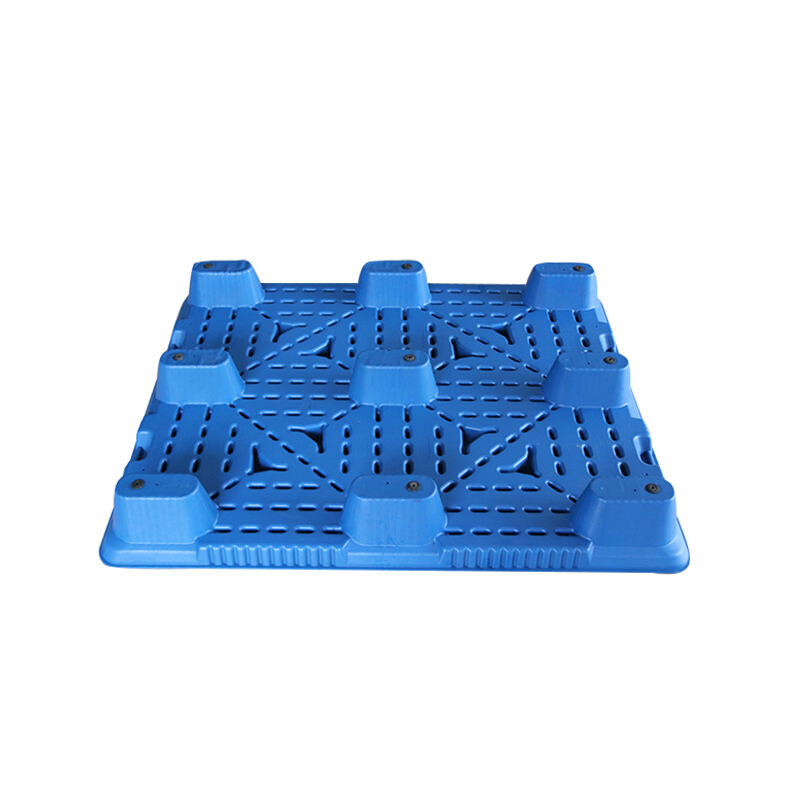
The LK1210 nine-leg blow-molded pallet stands out for its superior stability and strength. With a unique nine-leg design, it provides remarkable stability and load distribution, making it ideal for high-capacity storage and transport. This design caters to industries requiring robust pallet solutions, such as manufacturing and retail. With a commitment to quality, these pallets meet stringent testing standards, ensuring they withstand the harshest industrial challenges. The LK1210 pallet exemplifies heavy-duty stability that can revolutionize logistics operations by providing a reliable foundation for goods.
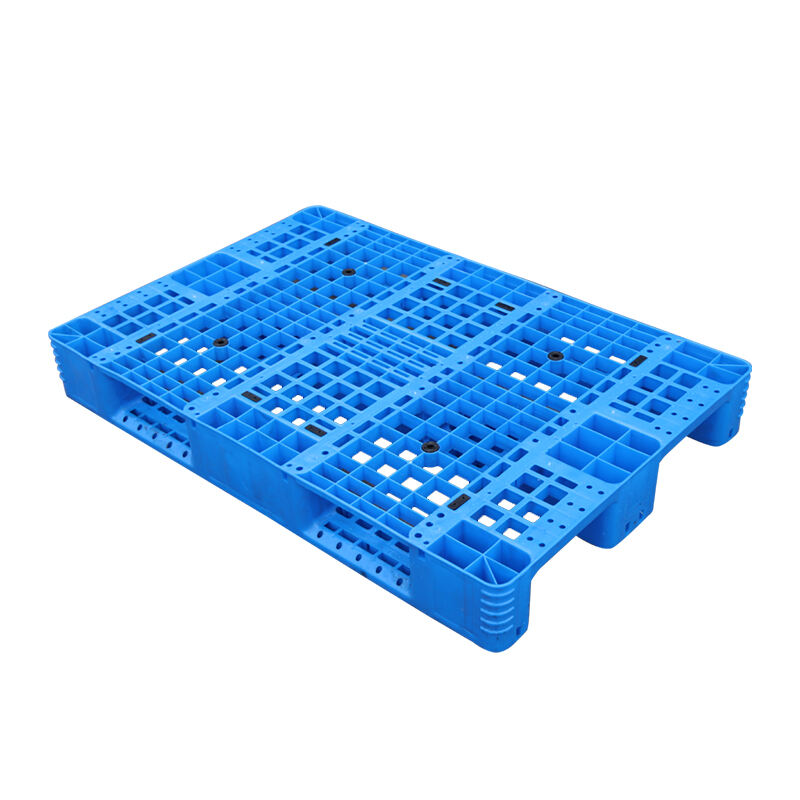
The LK1208 HDPE grid pallet is expertly designed for ventilation and moisture control, which is critical in many storage applications. The grid design allows air circulation through goods, preventing moisture buildup and preserving product quality. This pallet is ideal for sectors like warehousing and logistics, where optimized storage solutions are crucial. Moreover, its environmentally friendly construction adheres to strict environmental standards, supporting sustainable practices across industries. With its efficient design, the LK1208 enhances storage efficiency while promoting eco-friendly practices.
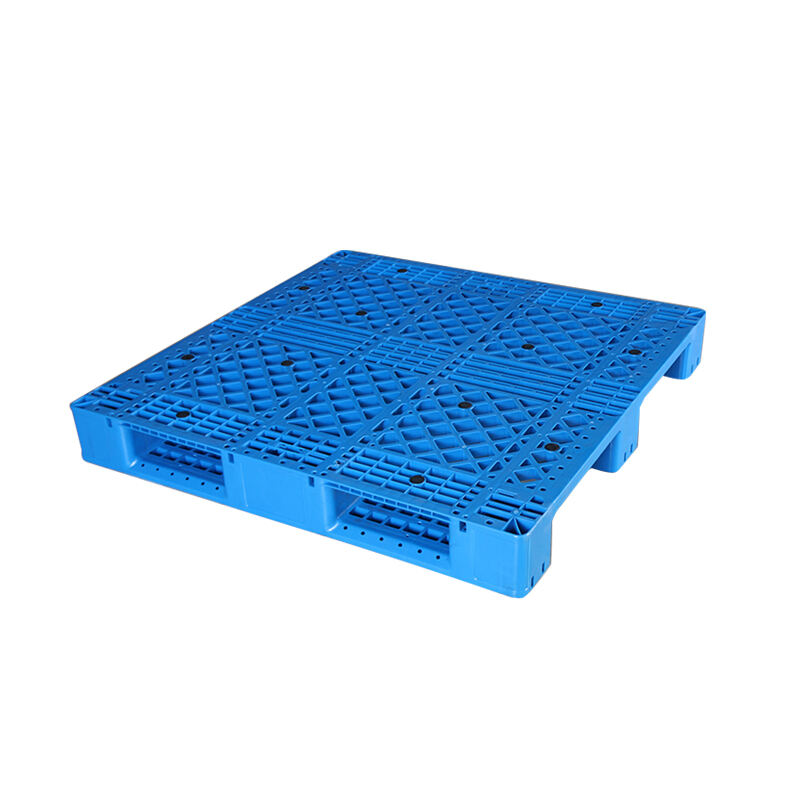
The LK1212 pallet shines in its modularity, offering flexibility in warehouse configurations. Its design supports various stacking and racking options, making it adaptable to different storage needs. User testimonials praise its durability and recycling potential, highlighting its long lifespan and contribution to sustainability goals. Tailored for heavy-duty tasks, the LK1212 pallet is an ideal choice for warehouses seeking versatile and eco-friendly pallet solutions.
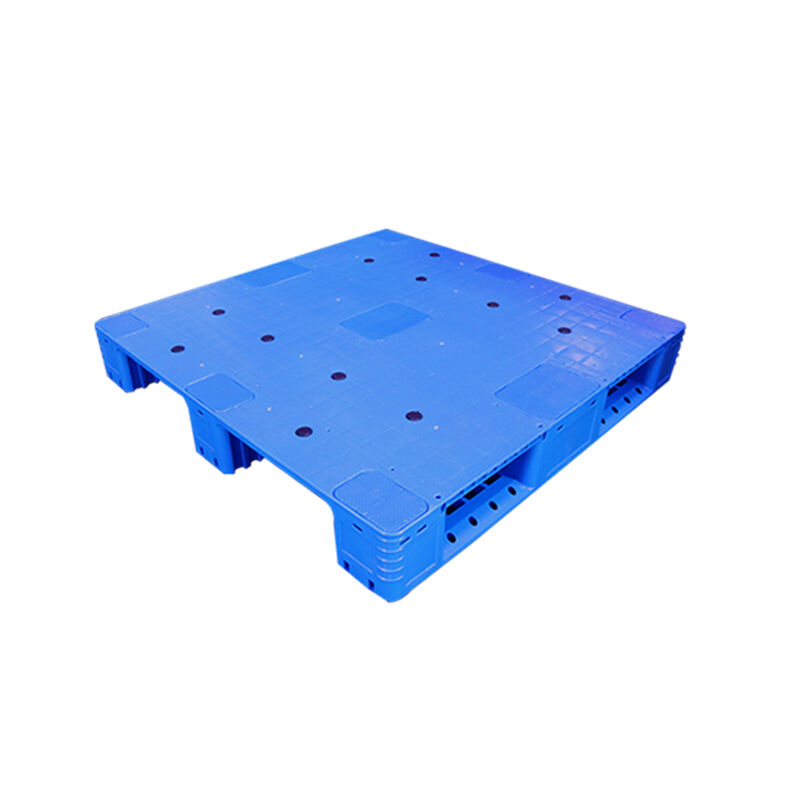
The LK1111 3 runners flat plastic pallet is specifically designed for automated logistics and warehouse systems. Its flat design ensures stability and seamless integration with automated handling equipment, improving efficiency in material movements. Studies indicate performance enhancements in automated settings due to this specialized design. Its compatibility with various systems makes it a preferred choice for businesses aiming to streamline operations through automation.
Customizable pallets offer businesses the opportunity to integrate branding into their logistics operations, enhancing marketing impact. Companies can personalize pallets with logos and colors, turning them into mobile advertisements while supporting sustainability through recyclable materials. Brands leveraging these customized solutions have seen improved customer perception and environmental responsibility. This customization not only reinforces brand identity but also highlights a commitment to eco-friendly practices, offering a competitive advantage in today’s green marketplace. By choosing recyclable materials for branding, companies can align their marketing strategies with sustainable development goals.
RFID technology has revolutionized inventory tracking by embedding smart chips in pallets and allowing seamless monitoring throughout the supply chain. This technology enhances efficiency by providing real-time data on inventory movements, thus reducing errors and optimizing stock levels. According to recent studies, companies that have adopted RFID for inventory tracking have reported efficiency improvements of up to 30%. Industry leaders, like Amazon and Walmart, are embracing RFID-enabled smart pallets to maintain a competitive edge, leveraging these advancements to streamline operations and reduce costs. Such integration not only mitigates risks associated with manual inventory errors but also supports agile supply chain management.
Corrugated plastic boxes offer significant weight reduction benefits without sacrificing durability, making them a compelling choice for lightweight shipping solutions. Industries such as pharmaceuticals and electronics have transitioned to these designs, benefiting from enhanced protection and reduced shipping costs. For instance, the automotive industry uses corrugated plastic boxes to ship parts, ensuring both cost efficiency and product safety. Data suggests that these boxes can reduce shipping expenses by up to 15%, contributing positively to companies' bottom lines. Additionally, their recyclable nature supports environmental efforts by minimizing the carbon footprint associated with traditional packaging materials.
Biocomposite materials are at the forefront of sustainable manufacturing, particularly in the production of trays. These materials, made from renewable resources, offer an eco-friendly alternative to conventional plastics, reducing waste and environmental impact. Leading innovators like IKEA and Unilever are pioneering the use of biocomposites in their manufacturing processes, underlining the market shift towards sustainability. Environmental impact studies show that adopting biocomposite materials can decrease the carbon footprint by 50%, fostering a greener manufacturing ecosystem. These advancements not only align with global sustainability goals but also appeal to environmentally conscious consumers, further driving market demand.

 EN
EN
 AR
AR DA
DA NL
NL FI
FI FR
FR DE
DE IT
IT JA
JA KO
KO NO
NO PL
PL PT
PT RO
RO RU
RU ES
ES SV
SV TL
TL ID
ID SR
SR SK
SK VI
VI TH
TH TR
TR FA
FA MS
MS GA
GA CY
CY IS
IS HY
HY AZ
AZ KA
KA BN
BN MI
MI MN
MN NE
NE KK
KK UZ
UZ KY
KY