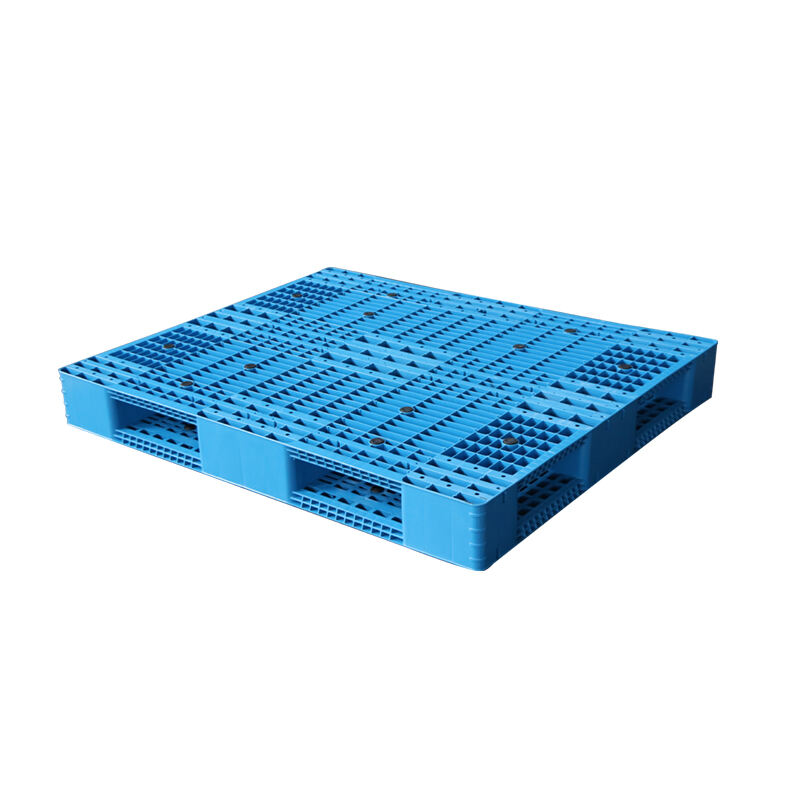
Plastic pallets are engineered to offer unrivaled durability, which is a critical factor in demanding logistics environments. They are designed to resist common issues like cracking, splitting, and warping that often affect wooden pallets. This enhances their longevity and reduces the need for frequent replacements. Unlike wooden pallets, plastic ones can endure high-frequency usage without sacrificing structural integrity, which is essential for maintaining cargo safety. For instance, a study from the Food and Agriculture Organization (FAO) highlights that plastic pallets can last up to four times longer than wooden alternatives when used in heavy-duty applications.
In industries where moisture exposure is unavoidable, plastic pallets stand out for their inherent moisture resistance. Unlike wooden pallets, which are prone to mold growth and decay when wet, plastic pallets maintain their integrity and hygiene over time. Moreover, corrosion resistance is vital in sectors handling chemicals, a feature where plastic excels since it does not corrode like metal does. Referencing a report from the National Association of Wholesaler-Distributors, businesses can save up to 30% in product loss due to spoilage, thanks to the moisture resilience of plastic pallets. This resistance not only extends pallet lifespan but also ensures better protection of goods.
Plastic pallets are highly valued for their superior load capacity and even weight distribution, both crucial for safe transportation. They can accommodate heavier loads than wooden pallets, minimizing the risk of damage during transit. Designed with a robust structure, plastic pallets reduce cargo damage by up to 25%, as evidenced by research, which underscores their effectiveness in preserving goods. This ability to distribute weight evenly ensures stability and safety, making plastic pallets a safer option in logistics operations where maintaining the integrity of loads is paramount.
Recyclable plastic pallets offer significant environmental benefits by being made from materials that can be reused, thereby reducing waste in landfills. The production process for these pallets is notably more energy-efficient compared to that of wooden pallets, contributing to a reduction in carbon emissions. According to the Global Plastic Action Partnership, switching to plastic pallets in logistics can decrease the carbon footprint of supply chains by approximately 30%. This makes plastic pallets not only a practical choice but also a responsible one for businesses keen on sustainability.
Plastic pallets are ideal for businesses aiming to align with circular economy principles due to their recyclable and reusable nature, which minimizes resource depletion. Adopting these pallets supports sustainability goals that consumers and stakeholders increasingly demand. A study by the Ellen MacArthur Foundation highlights that enhanced recycling efforts in packaging can lead to significant economic gains, forecasted to reach $1 trillion by 2025. Companies using recyclable plastic pallets are thus contributing to sustainable practices, supporting recycling initiatives, and reinforcing their commitment to environmental responsibility.
Plastic pallets offer exceptional hygienic benefits, crucial for industries like food and pharmaceuticals where contamination is a significant concern. Their non-porous nature allows for easy cleaning and maintenance, thereby reducing the risk of contamination compared to traditional wooden pallets. This simplification of hygiene compliance is particularly vital in sectors where strict sanitation regulations are enforced. According to the Food and Drug Administration (FDA), the use of plastic pallets in controlled environments enhances food safety standards, thanks to their ability to resist moisture and pests that typically afflict wooden pallets. These features ensure that products maintain their integrity from supplier to consumer, safeguarding both public health and business reputation.
When it comes to international shipping, plastic pallets stand out due to their lightweight yet durable design. This balance allows businesses to minimize freight costs without sacrificing strength, which is crucial for maintaining competitiveness in global export operations. Unlike wooden pallets, plastic pallets do not require additional treatments to meet international pest control standards, simplifying logistics and facilitating smoother customs processes. According to the International Chamber of Commerce, companies leveraging plastic pallets can achieve logistics turnaround times that are up to 20% faster, reflecting a significant boost in supply chain efficiency. These export-ready features ensure products are moved swiftly and safely, keeping businesses ahead in a competitive market.
Plastic pallets integrate seamlessly with automated warehouse systems, thanks to their uniform size and shape. This compatibility is instrumental in reducing downtime and enhancing the efficiency of automated operations. The lightweight and durable nature of plastic pallets minimizes wear and tear on robotic handling systems, resulting in less maintenance and more consistent performance. Research by the Supply Chain Management Review highlights that businesses utilizing plastic pallets in automated systems report a 25% increase in operational efficiency. Such improvements not only accelerate warehouse processes but also lead to substantial cost savings, affirming the strategic advantage of adopting plastic pallets for automation.
By understanding these industry-specific applications, businesses can optimize their logistics and warehouse strategies, ensuring enhanced efficiency and compliance across various sectors.
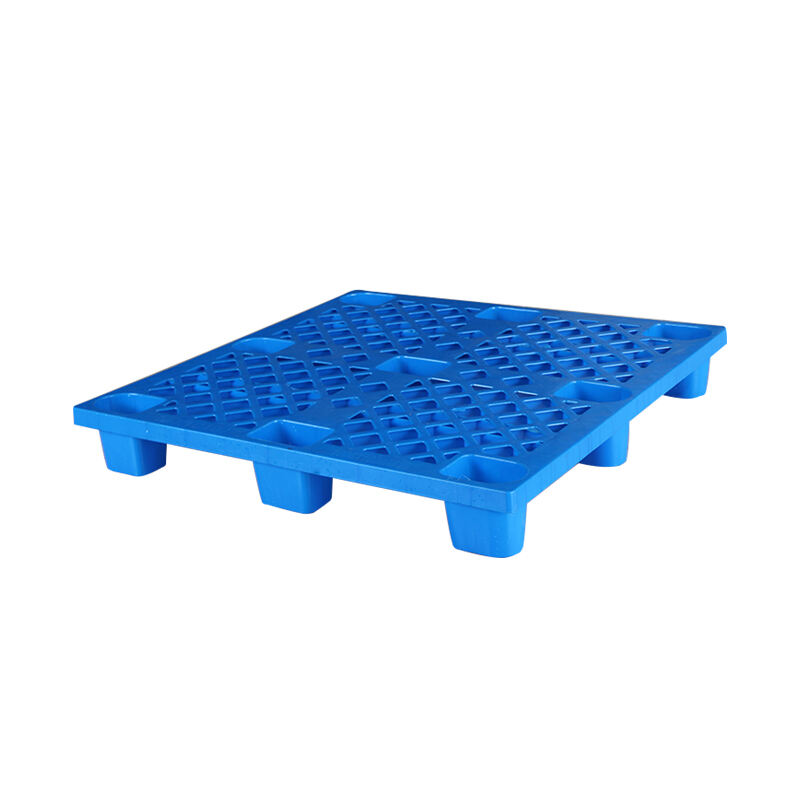
The LK1010 Grid Nine Legs Plastic Pallet is designed with a robust structure that can support heavy loads while maintaining a lightweight profile for easy handling. This makes it ideal for use in both indoor and outdoor settings, offering versatile application opportunities. Additionally, this pallet is compatible with various types of forklifts, enhancing efficiency in material handling processes.
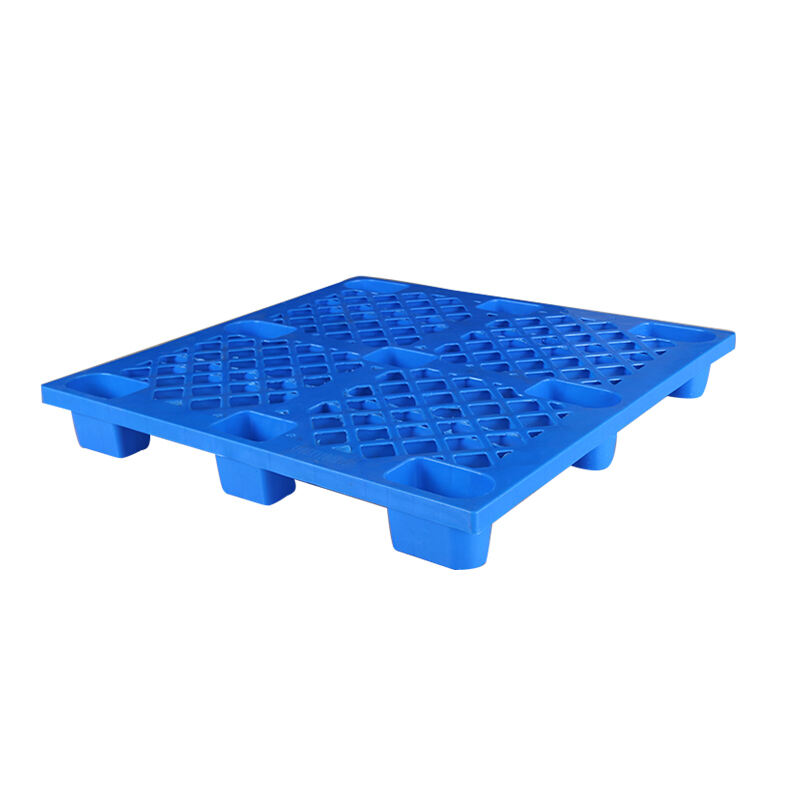
The LK1111 Grid Nine Legs Plastic Pallet is engineered with enhanced stability, making it an optimal choice for secure stacking, which reduces the risk of accidents during storage. These pallets are available in different colors to aid in easy identification and inventory management. They are also designed to meet international shipping standards, facilitating seamless logistics processes.
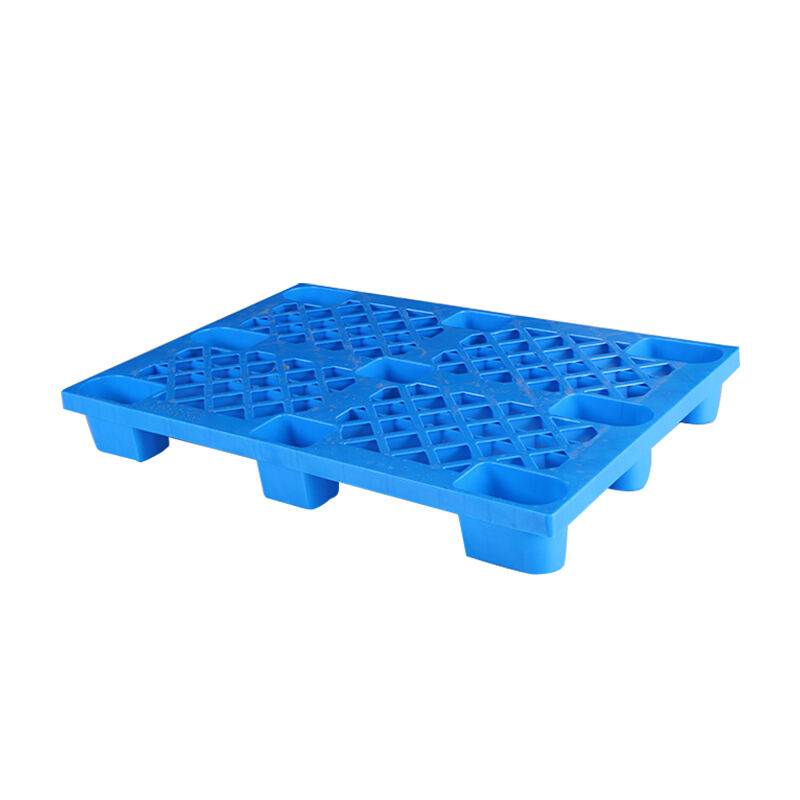
The LK1208 Grid Nine Legs Plastic Pallet offers a lightweight yet strong solution, making it perfect for high-frequency uses. It is equipped with drain holes that facilitate easy cleaning, crucial for hygienic applications. This versatile pallet can be utilized across various industries, including food and pharmaceuticals, meeting diverse operational needs.
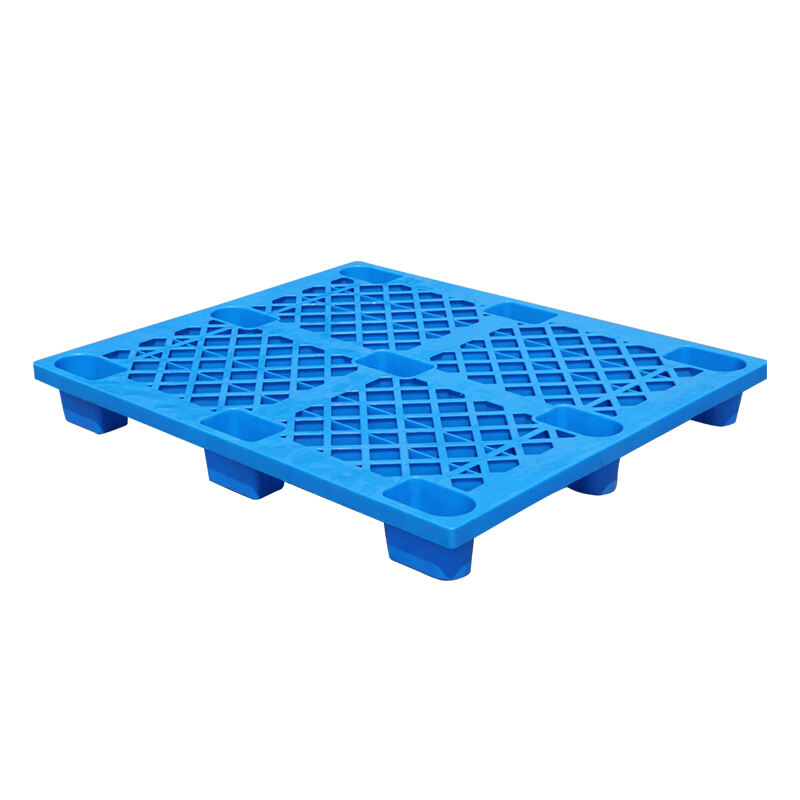
The LK1311 Grid Nine Legs Plastic Pallet offers an innovative design that balances strength and maneuverability, making it suitable for automated systems. It is resistant to a variety of chemicals, which makes it perfect for industrial applications. This pallet is recommended for environments that require high durability and consistent performance.
The LK1311 Double-Sided Plastic Pallet is designed for dual-sided use, offering an efficient option to maximize space and reduce handling time. It is capable of handling heavy loads while allowing for ergonomic handling during transport. This makes it an ideal choice for organizations seeking a cost-effective yet long-lasting pallet solution.
Plastic pallets offer superior durability, moisture resistance, enhanced load capacity, and compatibility with automated systems. They are also recyclable, supporting circular economy initiatives.
Yes, their non-porous surface makes them hygienic and easy to clean, vital for maintaining compliance with sanitation standards in food and pharmaceutical industries.
Plastic pallets are recyclable and made from reusable materials, helping reduce landfill waste and decreasing the carbon footprint of supply chains.
Absolutely, their uniform size and shape make them ideal for integration into automated systems, enhancing operational efficiency.
Yes, plastic pallets meet international shipping standards and do not require extra treatments for pest control, simplifying global logistics.

 EN
EN
 AR
AR DA
DA NL
NL FI
FI FR
FR DE
DE IT
IT JA
JA KO
KO NO
NO PL
PL PT
PT RO
RO RU
RU ES
ES SV
SV TL
TL ID
ID SR
SR SK
SK VI
VI TH
TH TR
TR FA
FA MS
MS GA
GA CY
CY IS
IS HY
HY AZ
AZ KA
KA BN
BN MI
MI MN
MN NE
NE KK
KK UZ
UZ KY
KY