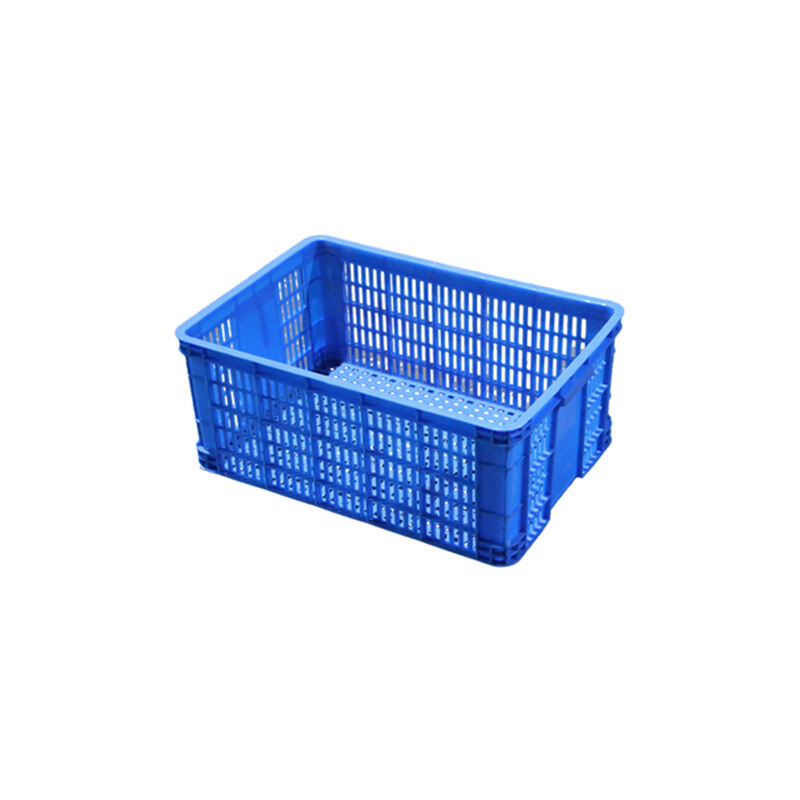
High-Density Polyethylene (HDPE) is highly valued in industrial environments due to its exceptional strength-to-density ratio. This makes it a preferred choice for heavy-duty applications as it has the capability to withstand substantial impact and high temperatures. For instance, HDPE is often used in the construction of plastic containers and crates which require durability in harsh settings. Studies from material experts have substantiated the longevity of HDPE, showing it can endure for decades without significant degradation.
HDPE is not only durable but also highly resistant to chemical and moisture exposure, making it ideal for industrial storage solutions. This material can handle various substances, preventing corrosion or breakdown, which is crucial for maintaining integrity in storage boxes and containers. Its moisture-resistant properties are specifically beneficial in humid environments, ensuring items are protected from mold and degradation. Data from prolonged industrial use indicates that HDPE remains stable even when exposed to harsh chemicals for extended periods.
The weight-bearing capacity of HDPE-based plastic storage crates is another reason they're favored over traditional materials like wood or metal. These crates have been tested and proven to support loads upwards of 1000 lbs. This capability not only provides manufacturers with greater utility but also enhances the logistics process by minimizing the risk of crate failure when moving heavy goods. Consequently, HDPE crates represent an efficient solution for handling and transporting substantial inventory loads in industrial environments.
Plastic storage crates offer substantial long-term savings over traditional materials like metal and wood. Businesses investing in plastic can experience up to 30% savings in long-term costs. The durability of plastic eliminates the need for frequent replacements, which significantly reduces operational expenses. Supply chain experts emphasize that these savings can positively impact a company's financial stability by lowering overhead costs. The durability of plastic storage solutions contrasts sharply with the frequent maintenance required for wood and metal, making it an economically wise choice for businesses.
Another advantage of plastic storage crates is their minimal maintenance requirements. Unlike wood that can rot or metal that might rust, plastic crates remain resilient over time. This results in significantly lower replacement costs for companies. Evidence from various warehouses illustrates that the financial burden of maintenance and replacement is reduced when shifting to plastic storage solutions. The robustness of plastic ensures longevity, allowing businesses to focus their resources on growth rather than upkeep, solidifying plastic crates as a financially prudent choice in storage solutions.
Plastic crates play a pivotal role in the food and beverage industry by meeting stringent health and safety standards, facilitating compliance effortlessly. Their hygienic properties are a significant advantage, as they prevent bacterial growth and ensure the safe storage of food products. For instance, research from food safety organizations highlights that recycled plastic can be highly beneficial in handling food. The use of such crates aligns with industry requirements, providing a safe and effective solution for food storage and transport.
One of the primary advantages of plastic crates is their seamless integration with plastic pallets, which optimizes supply chain efficiency. This integration helps create a cohesive storage and transport system, minimizing logistical headaches and leading to smoother operations. According to statistics from logistics firms, the operational efficiency increases substantially when using compatible plastic storage solutions. The use of these crates and pallets streamlines processes and reduces time lost in mismatches or incompatible systems.
In the agricultural sector, plastic crates are essential for the safe transport and storage of produce, effectively minimizing spoilage. These crates' sturdy construction significantly reduces product losses, a fact supported by various agricultural studies. Similarly, in the pharmaceutical industry, plastic storage crates comply with regulatory needs, ensuring the safe transport of sensitive products. This adaptability across industries demonstrates the crucial role plastic storage solutions play in maintaining quality and safety standards.
The 575-250 supermarket plastic basket stands out with its reinforced design, which allows for heavy-duty stacking, making it an ideal choice for supermarkets that deal with heavy goods. The structure is engineered to endure significant weight, and rigorous tests have confirmed that it can hold up to 300 lbs without failure, as verified by materials testing laboratories. These capabilities ensure the safe stacking of multiple units, optimizing space and safety in a retail setting.
Retailers can enhance their brand presence through custom branding and vibrant color selections with the 575-250 plastic basket. Personalizing these baskets with store logos enhances visual identity and strengthens brand recall among consumers. A variety of color options are available, allowing retailers to align the baskets with their store aesthetics. Market research suggests that such tailored storage solutions can boost consumer memory and increase the likelihood of purchase, adding value to the retail environment by promoting customer engagement and brand loyalty.
The eco-friendly nature of the 575-250 basket is undeniable, as it is composed entirely of recyclable materials, aligning with sustainable retail practices. At the end of its useful life, the basket's materials can be easily recycled, reducing environmental impact and supporting a circular economy. Evidence from environmental organizations emphasizes that recycling plastic significantly decreases landfill waste, highlighting the basket's contribution to green initiatives and appealing to eco-conscious retailers who prioritize sustainability in their operations.
Modern plastic crates are pivotal in advancing circular economy practices due to their reusable and recyclable nature. These attributes significantly contribute to reducing the environmental impact associated with production and disposal. By integrating reusable plastic crates into operations, businesses can lower their carbon footprints and embrace sustainable solutions. Statistics from environmental agencies indicate a growing trend in adopting such practices, helping industries minimize waste and promote sustainability.
One of the primary benefits of using plastic crates is their ability to be reused multiple times, which leads to a substantial reduction in waste compared to single-use alternatives. Companies implementing reusable systems can not only conserve resources but also foster an eco-friendly business model. Waste management studies demonstrate that businesses utilizing reusable packing solutions incur lower waste disposal costs, thereby not only contributing to environmental well-being but also achieving economic efficiency.

 EN
EN
 AR
AR DA
DA NL
NL FI
FI FR
FR DE
DE IT
IT JA
JA KO
KO NO
NO PL
PL PT
PT RO
RO RU
RU ES
ES SV
SV TL
TL ID
ID SR
SR SK
SK VI
VI TH
TH TR
TR FA
FA MS
MS GA
GA CY
CY IS
IS HY
HY AZ
AZ KA
KA BN
BN MI
MI MN
MN NE
NE KK
KK UZ
UZ KY
KY